

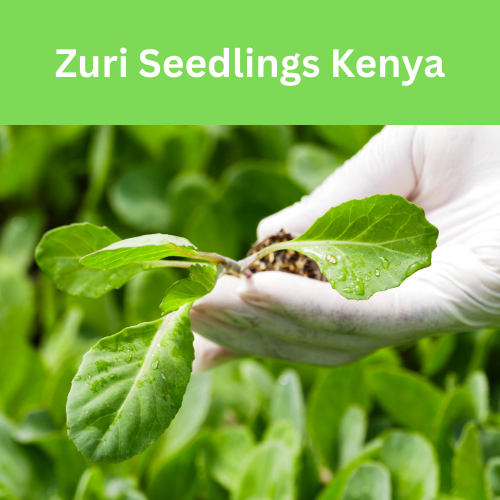
Zuri Seedlings Kenya

What Are Zuri Seedlings?
Zuri seedlings refer to carefully cultivated young plants available in a variety of species including fruit trees, ornamental plants, cash crops, and reforestation species. These seedlings are developed using high-quality propagation techniques and are intended for planting in Kenya’s diverse agro-climatic zones.
Common Types of Zuri Seedlings in Kenya
- Fruit seedlings: Mango, avocado, passion fruit, papaya, banana
- Cash crops: Macadamia, coffee, tea, miraa
- Ornamentals: Bougainvillea, palm, bamboo, crotons
- Timber/forestry: Grevillea, cypress, blue gum, pine
- Hedges and live fences: Kei apple, lantana, fence creepers
Each Zuri seedling is optimized for high germination rates, early maturity, and resistance to local pests and diseases.
Zuri Seedlings Kenya
Premium-Quality Plants for Sustainable Growth
Discover Zuri Seedlings: Kenya’s Trusted Source for Healthy, High-Yield Plants
Zuri seedlings in Kenya are quickly gaining popularity among farmers, gardeners, and landscapers for their consistent quality, strong growth potential, and suitability for various climates across the country. Whether you’re a smallholder farmer looking to boost productivity or a homeowner aiming to beautify your landscape, Zuri seedlings offer a reliable foundation for success.
With a focus on ethical, sustainable, and scientifically propagated varieties, Zuri seedlings are transforming Kenya’s horticultural and agricultural landscapes.
What Are Zuri Seedlings?
Zuri seedlings refer to carefully cultivated young plants available in a variety of species including fruit trees, ornamental plants, cash crops, and reforestation species. These seedlings are developed using high-quality propagation techniques and are intended for planting in Kenya’s diverse agro-climatic zones.
Common Types of Zuri Seedlings in Kenya
- Fruit seedlings: Mango, avocado, passion fruit, papaya, banana
- Cash crops: Macadamia, coffee, tea, miraa
- Ornamentals: Bougainvillea, palm, bamboo, crotons
- Timber/forestry: Grevillea, cypress, blue gum, pine
- Hedges and live fences: Kei apple, lantana, fence creepers
Each Zuri seedling is optimized for high germination rates, early maturity, and resistance to local pests and diseases.
Origin and Quality Assurance of Zuri Seedlings in Kenya
All Zuri seedlings are sourced from licensed nurseries that follow Kenya Plant Health Inspectorate Service (KEPHIS) guidelines. The propagation methods used—whether through grafting, budding, or tissue culture—adhere to best agricultural practices to ensure genetic purity, uniformity, and high survival rates after transplantation.
Quality Indicators
- Certified by relevant agricultural authorities
- Pest- and disease-free
- Strong root development
- Uniform growth
- Minimal transplant shock
This level of quality assurance makes Zuri seedlings a top choice for agricultural extension officers and serious growers across Kenya.
Suitable Growing Conditions for Zuri Seedlings in Kenya
Zuri seedlings are developed to thrive in various Kenyan agro-zones, including highland, midland, and lowland regions.
Climate Compatibility
- Highland crops: Apples, tree tomatoes, macadamia, tea
- Mid-altitude crops: Mangoes, avocados, passion fruit
- Coastal or dry areas: Cashew nuts, neem, moringa, papaya
Soil Requirements
- Well-drained loamy or sandy soils
- Soil pH between 5.5 and 6.8
- Organic matter to improve root establishment
For optimal performance, soil testing is recommended before transplanting.
Legitimate Use Cases of Zuri Seedlings in Kenya
Zuri seedlings are ethically grown and used for a variety of legitimate and beneficial purposes:
- Commercial farming for fruit or nut production
- Home gardening for food self-sufficiency
- Agroforestry and soil conservation projects
- Public greening programs in schools, parks, and roadsides
- Landscaping and beautification of homes, businesses, and institutions
- Community reforestation and climate mitigation programs
These seedlings support food security, employment, biodiversity, and sustainability goals across the country.
Key Features and Characteristics of Zuri Seedlings
High Germination and Survival Rate
Zuri seedlings are known for their strong germination ability and high transplant survival rate, ensuring maximum value for each purchase.
Early Maturity
Most Zuri fruit seedlings mature and start producing within 2 to 3 years, compared to traditional 4–5 years.
Disease and Pest Resistance
Cultivars are carefully selected to resist common fungal, bacterial, and viral infections specific to Kenya.
Adaptability
Designed to perform well in both rain-fed and irrigated conditions.
Uniformity
Seedlings are consistent in size, leaf color, and height—ideal for large-scale planting.
Benefits of Buying Zuri Seedlings in Kenya
1. Higher Yields and Profitability
Commercial farmers benefit from superior yields and better-quality produce, translating to higher market prices and profits.
2. Reduced Production Risks
Certified, pest-resistant seedlings lower the chances of early-stage crop failure.
3. Environmental Sustainability
Many Zuri seedling types support soil regeneration, erosion control, and carbon sequestration.
4. Access to Expert Guidance
Reputable suppliers often provide planting and maintenance advice, especially for first-time buyers.
5. Economic Empowerment
The availability of affordable and high-performing seedlings creates opportunities for agripreneurs and rural households.
Where to Buy Zuri Seedlings in Kenya
Available Locations
- Nairobi
- Nakuru
- Eldoret
- Kisumu
- Mombasa
- Meru
Trusted Distributors and Stockists
- Licensed nurseries affiliated with KEPHIS
- Agricultural shows and county-sponsored farming expos
- Online agri-shops offering delivery across Kenya
Zuri seedlings can be ordered in small quantities for personal use or in bulk for commercial planting. Delivery services are available in most urban and rural areas.
Pricing and Packaging of Zuri Seedlings
Retail Pricing (Approximate)
- Fruit seedlings: KSh 100 – KSh 300 each
- Tree seedlings: KSh 20 – KSh 80 each
- Ornamental plants: KSh 150 – KSh 500 each
Bulk Discount Options
- Orders above 500 units may attract a discount
- Government or NGO purchases for community planting often qualify for subsidized rates
Packaging Types
- Seedling trays (15, 30, or 60 cells)
- Individual plastic pots
- Soil root bags (black polybags)
All packaging ensures minimal damage during transportation.
How to Plant and Care for Zuri Seedlings
Step-by-Step Planting Guide
- Prepare the site by clearing weeds and loosening the soil.
- Dig a hole twice as wide and deep as the seedling root ball.
- Mix compost or organic manure into the soil.
- Insert the seedling and backfill gently.
- Water generously after planting.
- Mulch around the base to retain moisture and suppress weeds.
Maintenance Tips
- Water regularly (at least twice a week during dry spells)
- Apply fertilizer every 4–6 weeks
- Monitor for pests and diseases
- Prune where necessary to improve structure and yield
Growth Timeline and Expected Harvest
Typical Growth and Yield Periods
- Avocados: 2–3 years
- Mangoes: 2–3 years
- Macadamia: 3–4 years
- Grevillea and timber trees: 5–7 years
- Papaya: 6–9 months
Zuri seedlings are bred to deliver uniform growth and early productivity, especially with proper care.
Environmental and Economic Impact of Zuri Seedlings
Zuri seedlings help Kenya meet national goals in food security, afforestation, and economic development.
Environmental Benefits
- Improved biodiversity
- Erosion control
- Cleaner air through carbon absorption
Economic Advantages
- Job creation in nursery management, distribution, and sales
- Value addition through fruit processing and exports
- Enhanced livelihoods for small-scale farmers
Frequently Asked Questions (FAQs)
Q: Are Zuri seedlings certified in Kenya?
A: Yes, most are sourced from KEPHIS-certified nurseries and meet national standards.
Q: Can I grow Zuri seedlings in dry areas?
A: Yes. Varieties such as papaya, neem, and cashew are suitable for arid and semi-arid zones.
Q: Do you offer delivery?
A: Yes, delivery is available countrywide through various agro-distributors and online platforms.
Q: How do I know the seedling is healthy?
A: Check for green, upright stems, strong roots, and no visible signs of pests or diseases.
Customer Testimonials
“I planted Zuri passion seedlings last year, and the yield has been amazing. I supply to local markets weekly.” — Joseph, Kitale
“Their grafted mango seedlings are top-notch. Healthy, uniform, and they established fast.” — Esther, Murang’a
“Zuri seedlings helped me start a small avocado orchard. The support and tips they gave me were really helpful.” — Paul, Machakos
Compliance and Ethical Statement
Zuri seedlings and all affiliated nurseries operate under the guidelines of Kenya’s Ministry of Agriculture and KEPHIS. The propagation, sale, and distribution of these seedlings are fully compliant with ethical and environmental standards. No genetically modified organisms (GMOs) are used unless clearly labeled and certified.
Conclusion: Choose Zuri Seedlings Kenya for Reliable Growth and High Returns
Zuri seedlings Kenya offers unmatched quality, variety, and adaptability for farmers, gardeners, and institutions across the country. With proper care, these seedlings deliver high returns—both economically and environmentally. Whether you’re planting for food, income, or sustainability, Zuri seedlings are your dependable partner in green growth.
Order today from trusted Kenyan suppliers and start your journey to productive, eco-friendly farming.






Reviews
There are no reviews yet.