
GrowPact
Tissue Culture Lab

At GrowPact Kenya, we embrace modern agricultural technologies to empower farmers. Our Tissue Culture Lab is at the heart of this innovation, enabling us to produce clean, uniform, and high-quality plantlets for sustainable farming.

What is Tissue Culture?

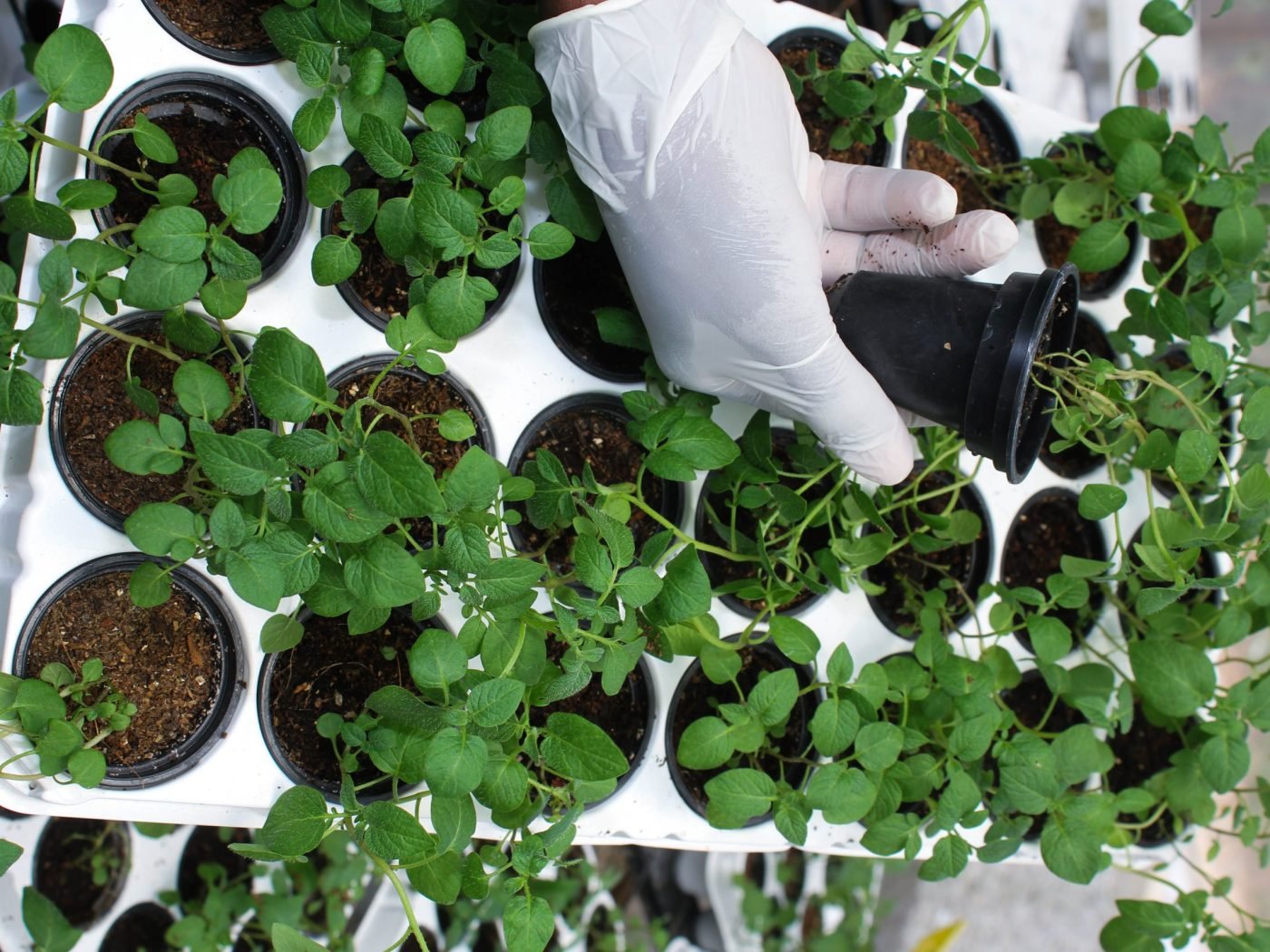
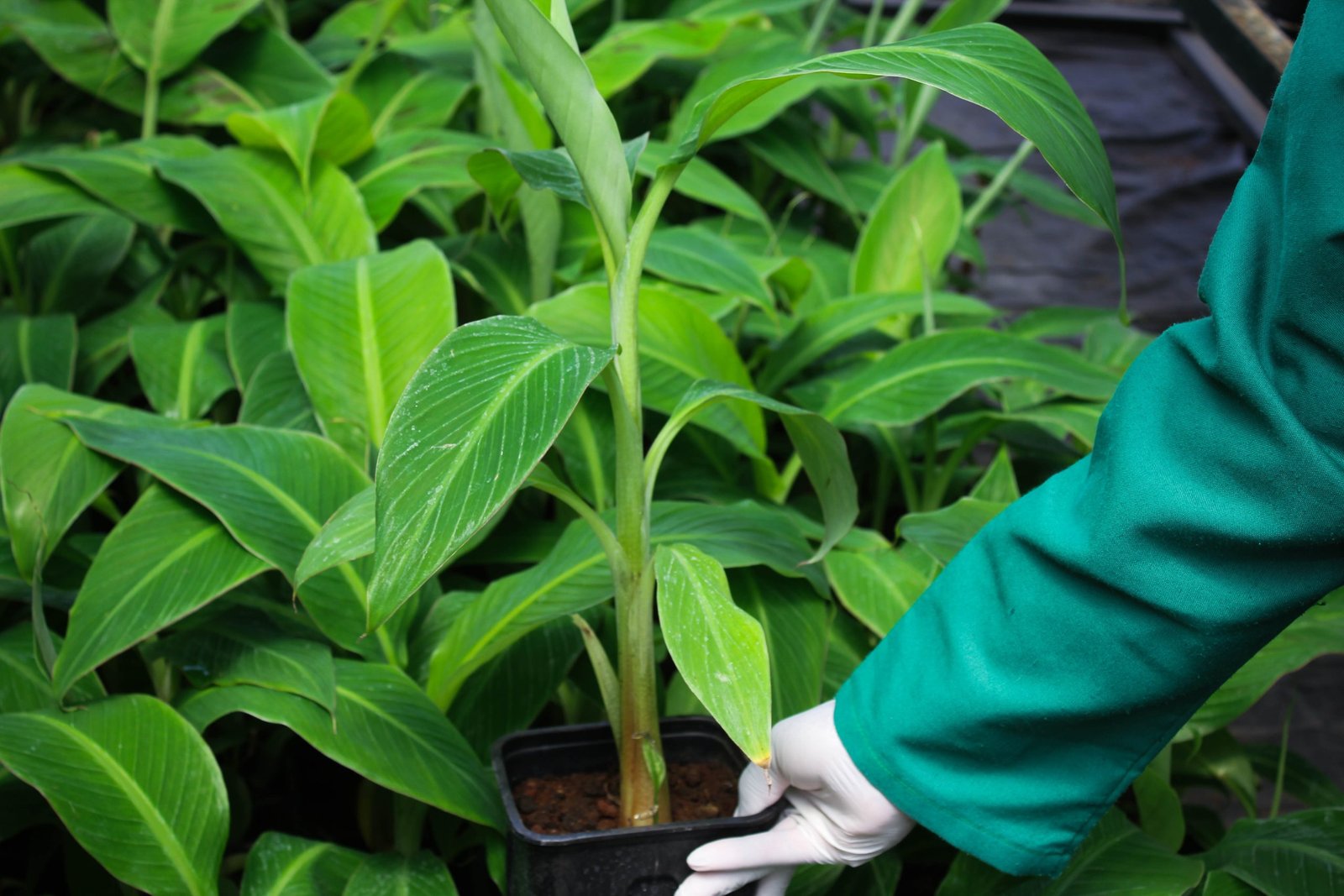
Tissue culture is an advanced method of multiplying plants in controlled, sterile laboratory environments. Instead of relying on traditional suckers or cuttings, small pieces of healthy plant tissue are placed in a nutrient-rich gel or liquid. From a single clean plant, we can produce thousands of identical, vigorous plantlets within a few months. These are nurtured in the lab until strong enough to move to a greenhouse, where they harden before being transplanted to the field.

Advantages of planting Tissue culture products as opposed to traditional cultivation methods?

IMG_0312

Disease-Free Start

Our seedlings are grown in sterile lab conditions, ensuring they are free from pests and diseases from the very beginning.

Uniform Growth

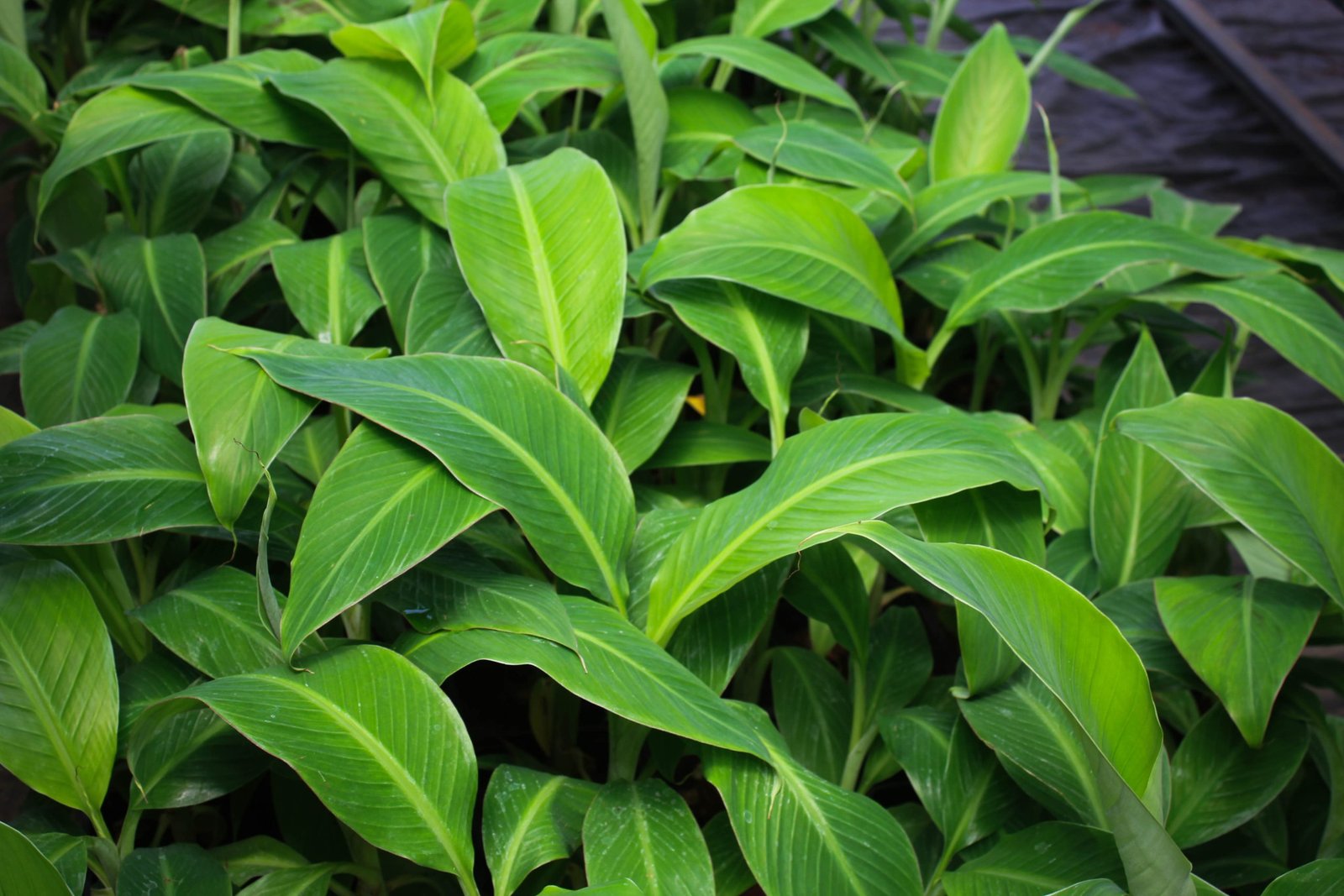
Tissue culture guarantees identical plantlets, resulting in even growth and consistent performance across the entire field.

IMG_8740

Higher Yields

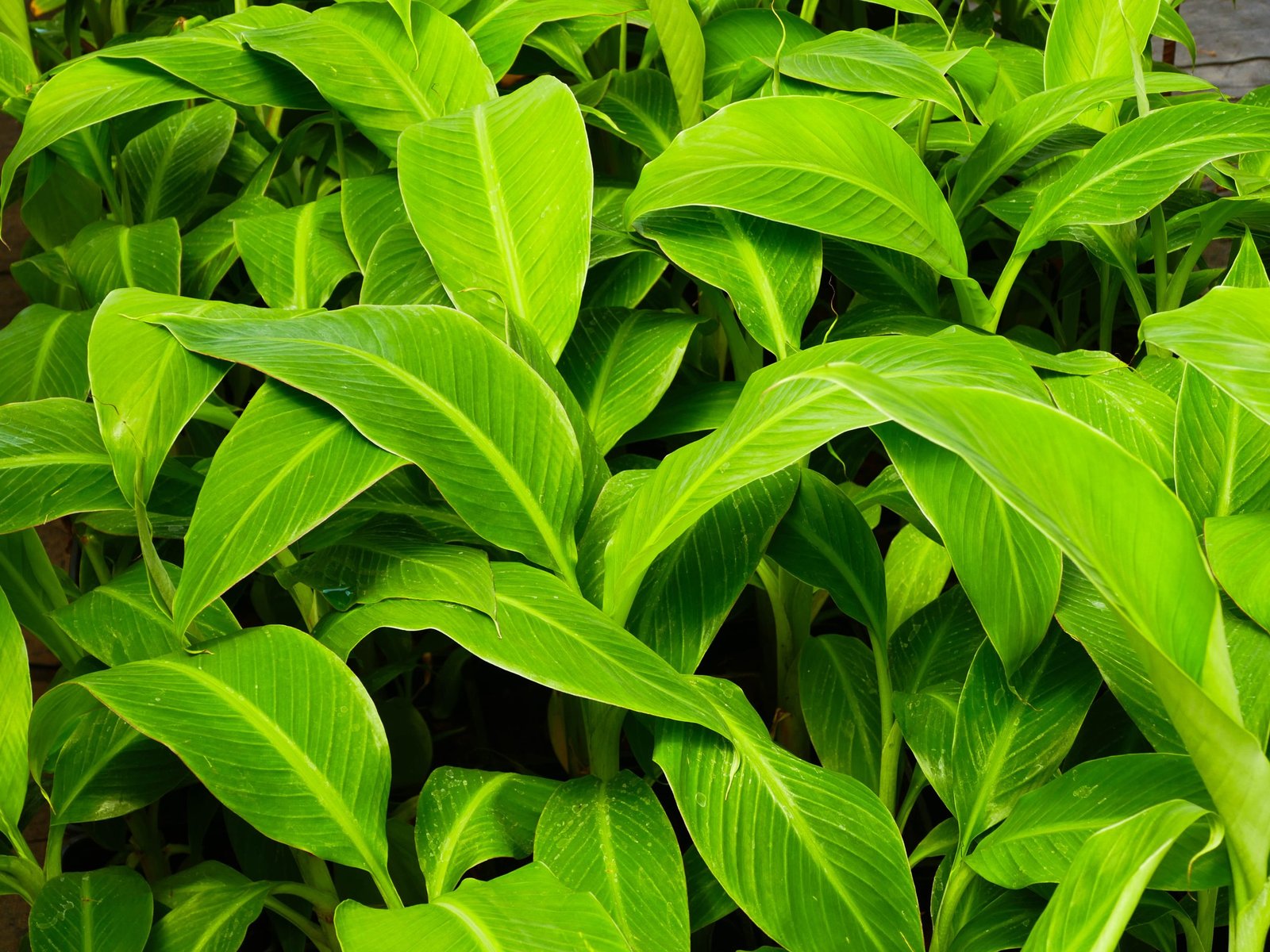
Each plantlet is genetically identical and vigorous, leading to maximized production and better harvest outcomes.

IMG_E8736

Faster Maturity

GrowPact seedlings grow faster and reach maturity quicker, helping farmers shorten crop cycles and increase turnover.

Committed!

We deliver more than expected.

GrowPact Tissue Culture delivers the best by combining advanced lab technology, strict quality control and expert care to produce clean, uniform and high-yielding plantlets. Our commitment to excellence ensures farmers receive healthy, disease-free seedlings backed by professional agronomic support for successful farming.

0 +

Products

0 +

Products produced

0 %

Client Satisfaction

Our Tissue Culture Products Include;

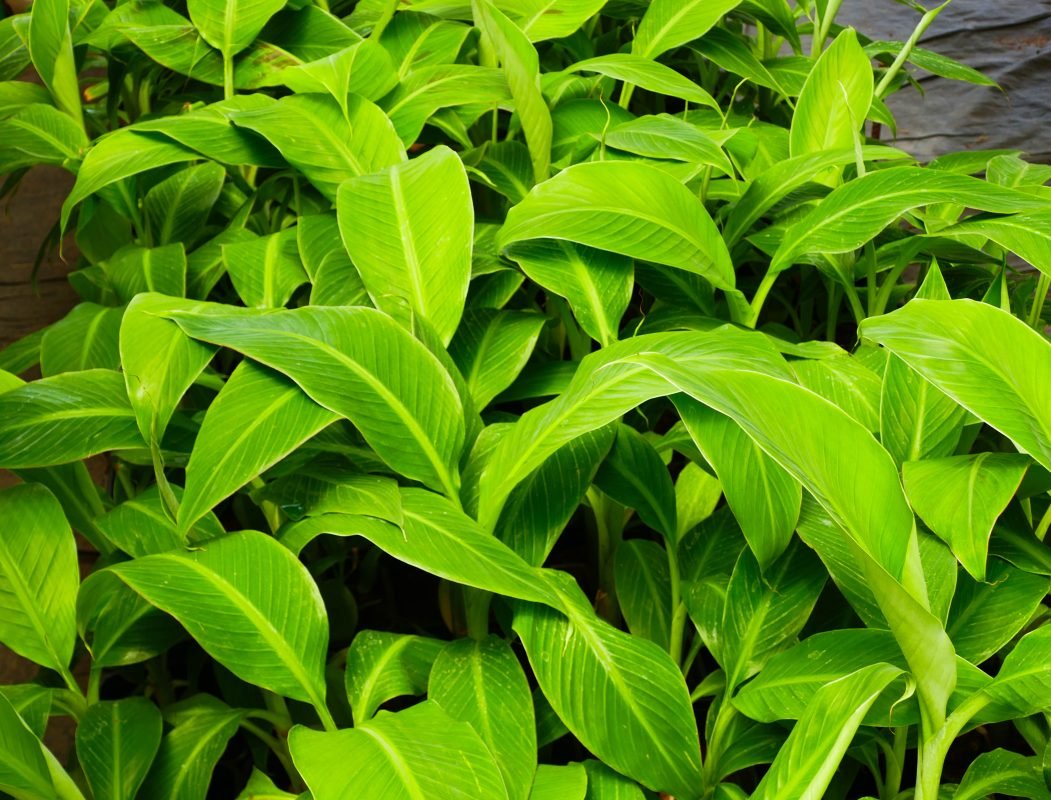
Gonja Plantain

Gonja, also known as plantain, is a versatile, starchy fruit from the banana family. It is a staple food in many tropical regions. Unlike sweet dessert bananas, gonja is larger, less sugary, and has a thicker skin. It's typically cooked at various stages of ripeness—boiled, fried, or baked—and is rich in carbs, fiber, and potassium.
French horn plantain

The French horn plantain is a variety of plantain known for its large fruit and the absence of a male bud, which distinguishes it from the French plantain type. It produces smaller bunches with fewer, but larger, individual fruits and is a staple in many tropical cuisines.

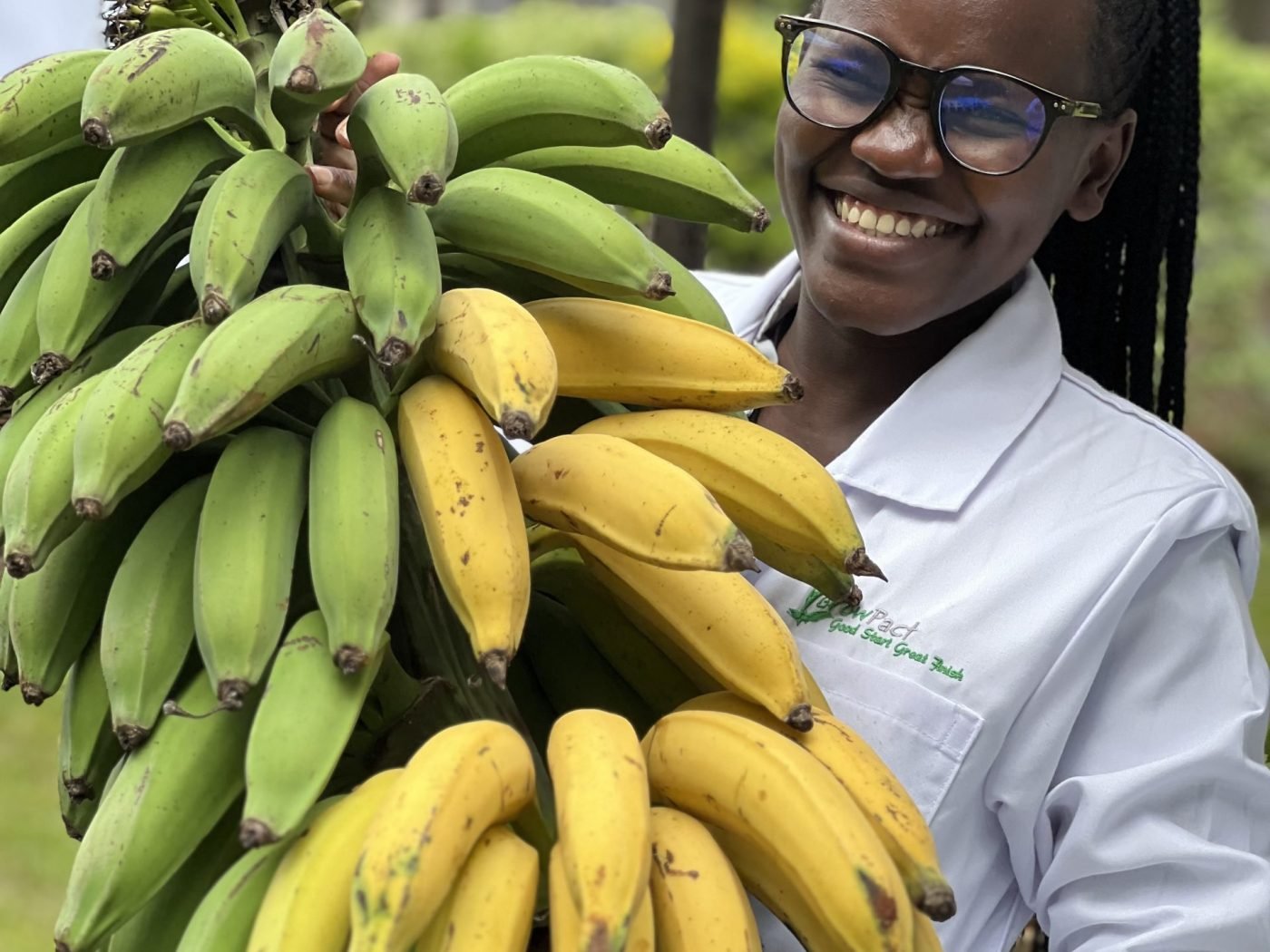
Ng`ombe banana

The Ng'ombe banana is a cooking variety known for its long, firm fingers. The fruit is popular in East Africa, particularly Kenya, where it is used to make crispy banana chips and flour. Its skin is partially green and turns a golden yellow when fried, making it an appealing option for snacks.
Mkono wa Tembo – Cooking Banana

Mkono wa Tembo, or "elephant's hand" in Swahili, is a cooking banana variety popular in East Africa. This type of plantain is known for its long, yellow fruit. It is highly valued for its large bunch weight, long fingers, and is frequently used to make sweet dishes and desserts.
purple-sweet-potatoes

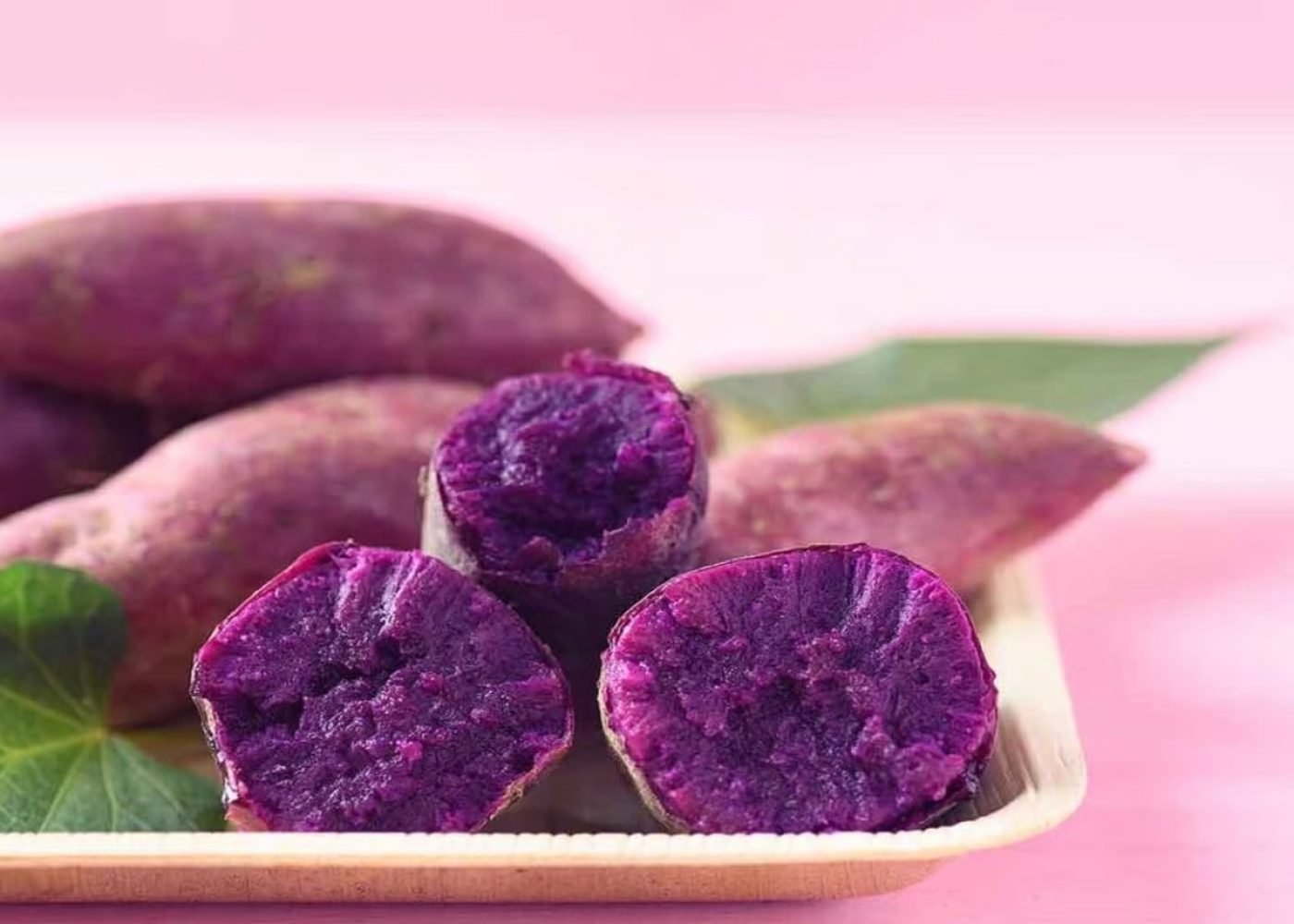
KC Sweet Purple

KC Sweet Purple is a drought-resistant sweet potato variety with vibrant purple flesh. It's known for its high nutritional value, including antioxidants, iron, and zinc. Its rich color remains after cooking, making it an appealing and healthy food option.
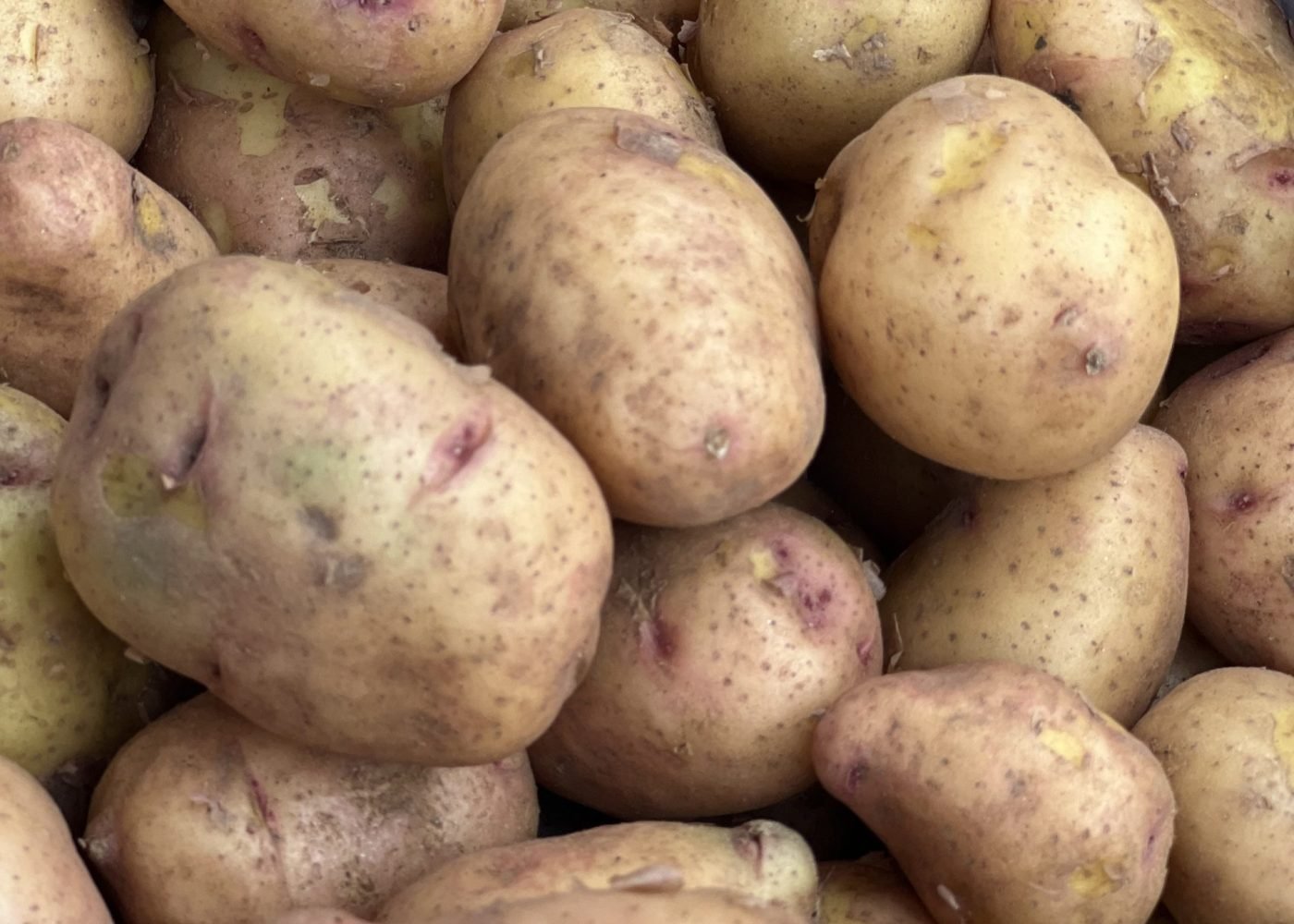
IMG_8740

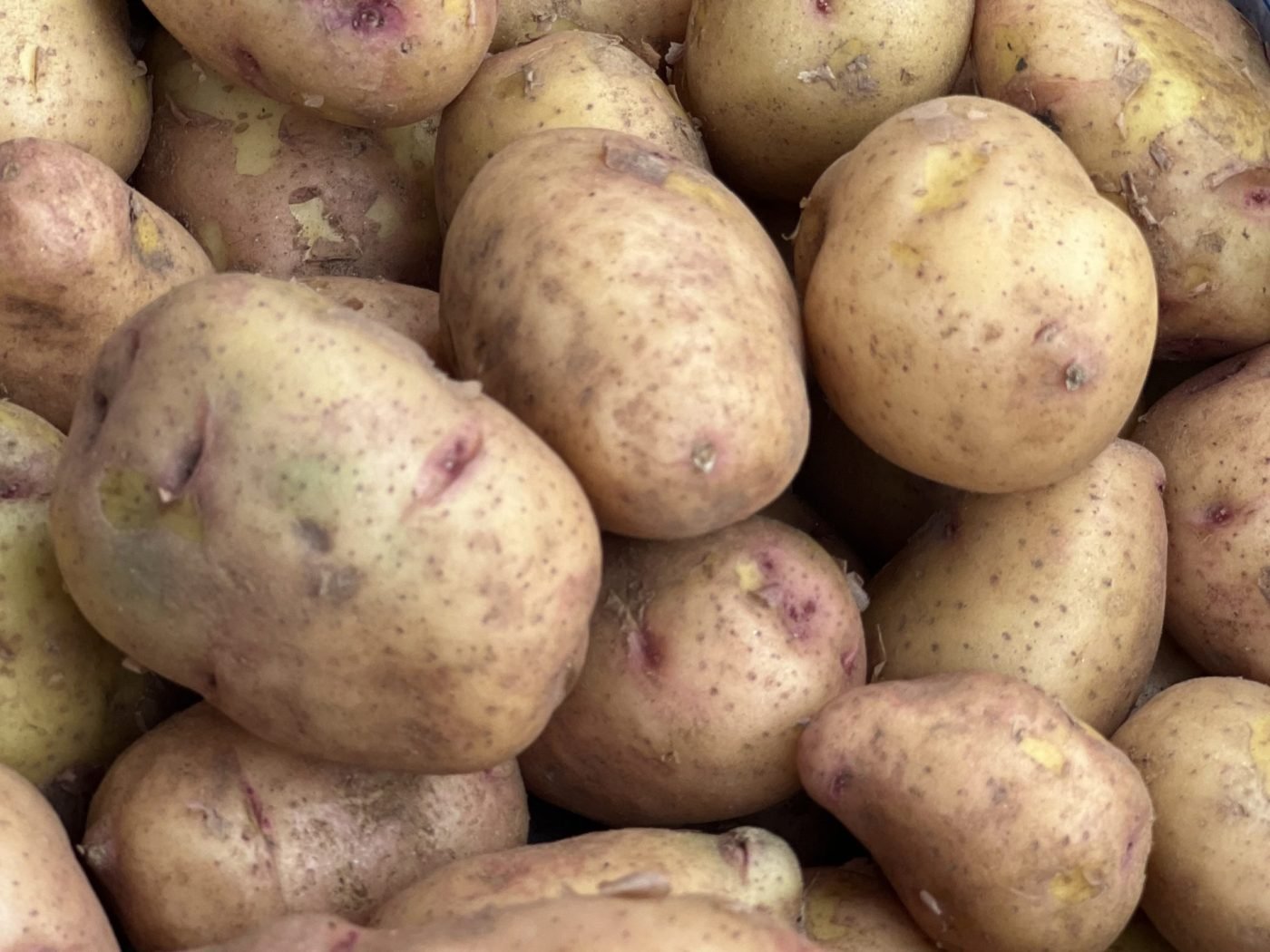
Shangi Potatoes

Shangi is a highly popular potato variety in Kenya, known for its quick maturity and versatility. It has creamy-white flesh, smooth skin, and is suitable for various cooking methods, including boiling, frying, and mashing. Despite being susceptible to some diseases, its short dormancy and high market demand make it a favorite among farmers and consumers.