

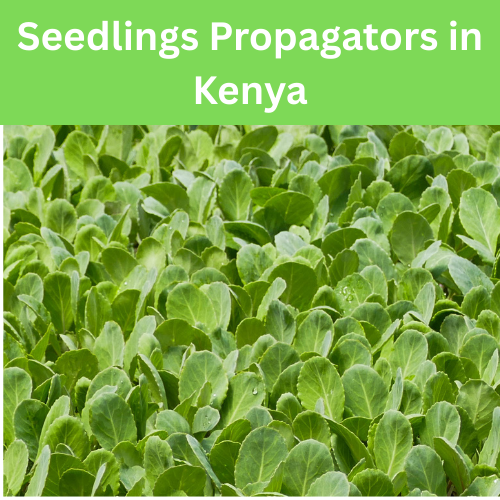
Seedlings Propagators in Kenya


Benefits of Using Seedlings Propagators in Kenya
Using seedlings propagators brings a host of benefits to Kenyan farmers and agribusinesses:
- Higher Germination Rates: Controlled conditions promote uniform and rapid germination.
- Stronger, Healthier Plants: Seedlings are less prone to diseases and stress.
- Reduced Input Costs: Less need for fertilizers and pesticides during early stages.
- Space Efficiency: Propagators allow high-density planting in limited spaces.
- Year-Round Seedling Production: Enables production even during off-season periods.
- Faster Turnaround Time: Quick seed-to-field cycles increase productivity.
Seedlings Propagators in Kenya
Introduction to Seedlings Propagators in Kenya
Seedlings propagators in Kenya are essential agricultural tools designed to facilitate the early growth and development of young plants under controlled conditions. These propagators help in creating a nurturing environment where seeds can germinate efficiently and grow into robust seedlings before being transplanted into open fields or gardens.
In Kenya’s diverse agricultural landscape, the need for consistent, high-quality seedlings has led to a growing demand for efficient propagation systems. Whether used by smallholder farmers or large-scale horticultural enterprises, seedling propagation technology plays a pivotal role in ensuring food security, sustainability, and profitability.
Types of Seedlings Propagators in Kenya
Kenya offers a variety of seedling propagation solutions tailored to different farming scales, environmental conditions, and budgets. Below are the main types:
Tray-Based Seedlings Propagators
These are the most common and cost-effective propagators, using plastic or biodegradable trays with multiple cells to hold the growing medium and seeds. Ideal for vegetables and herbs.
Greenhouse Seedlings Propagators
Greenhouses provide a controlled environment with regulated temperature, humidity, and light, making them suitable for high-value crops like fruits, ornamentals, and tree seedlings.
Mist Propagation Systems
These systems automatically mist water over the seedlings, maintaining optimal moisture levels. They are commonly used for propagating cuttings and delicate plant species.
Manual vs. Automated Propagators
Manual systems require physical effort for watering and temperature regulation, whereas automated ones incorporate sensors and timers to reduce labor and improve consistency.
Local vs. Imported Propagators
Local propagators are generally affordable and easily repairable, while imported versions may offer higher precision, automation, and longer life spans.
Benefits of Using Seedlings Propagators in Kenya
Using seedlings propagators brings a host of benefits to Kenyan farmers and agribusinesses:
- Higher Germination Rates: Controlled conditions promote uniform and rapid germination.
- Stronger, Healthier Plants: Seedlings are less prone to diseases and stress.
- Reduced Input Costs: Less need for fertilizers and pesticides during early stages.
- Space Efficiency: Propagators allow high-density planting in limited spaces.
- Year-Round Seedling Production: Enables production even during off-season periods.
- Faster Turnaround Time: Quick seed-to-field cycles increase productivity.
Commonly Propagated Seedlings in Kenya
Propagation techniques are widely applied across several plant categories in Kenya:
Vegetables
Tomatoes, onions, kale, spinach, capsicum, cabbage, and sukuma wiki are frequently started in propagators before being transplanted.
Fruits
Avocado, mango, pawpaw, and passion fruit seedlings benefit from nursery propagation, ensuring quality and disease-free starts.
Trees
Eucalyptus, grevillea, croton, and ornamental species like jacaranda and bottlebrush are often propagated for forestry and landscaping.
Herbs and Spices
Basil, coriander, thyme, and rosemary are grown for both home and commercial markets.
Ideal Users and Use Cases for Seedlings Propagators in Kenya
Smallholder Farmers
Seedlings propagators offer cost-effective options for Kenyan small-scale farmers to increase yields with limited resources.
Commercial Horticulture Farms
Large farms rely on automated propagation systems for efficiency, uniformity, and scalability.
Agribusiness Nurseries
Seedling production is a business in itself. Nurseries propagate in bulk for retail or contract farming.
Agricultural Colleges and Research Centers
Used for experimentation, hybridization, and academic training.
NGOs and Community-Based Organizations
Seedlings propagators support food security projects and youth/women empowerment through sustainable agriculture.
Propagation Techniques Used in Kenya
Soil vs. Soil-Less Propagation
Soil propagation is still widely used but poses risks of contamination. Soil-less media like coco peat, peat moss, and vermiculite offer sterile, nutrient-rich environments.
Propagation Trays and Domes
These components help create a mini-greenhouse effect, conserving heat and moisture.
Integrated Irrigation and Fertilization
Also known as fertigation, this technique involves supplying nutrients through drip irrigation, promoting balanced growth.
Key Features of Effective Seedlings Propagators in Kenya
- Durability: UV-resistant and weatherproof materials are crucial.
- Ventilation Control: Adjustable vents for humidity and airflow.
- Temperature Regulation: Helps maintain consistent root-zone warmth.
- Mobility: Wheeled or modular systems allow relocation.
- Tray Compatibility: Designed to fit standard seedling trays or custom trays.
- Capacity Options: Available from small (20 trays) to large-scale (500+ trays).
How to Choose the Right Seedlings Propagator in Kenya
Choosing the right propagator depends on:
Crop Type
Delicate crops may require mist systems, while robust vegetables can thrive in tray setups.
Farming Scale
Small farms may prefer portable trays, while commercial setups benefit from greenhouses and automated systems.
Budget and ROI
Basic systems are affordable and effective; premium systems offer long-term savings through higher efficiency.
Regional Climate
In hot regions like Makueni or Turkana, UV protection and ventilation are vital. Highland regions like Nyeri benefit from insulation features.
Availability of Spare Parts
Locally made propagators are easier to maintain and repair.
Pricing and Availability of Seedlings Propagators in Kenya
Pricing Factors
- Type of propagator (tray, greenhouse, mist system)
- Size and capacity
- Material quality (PVC, galvanized steel, polycarbonate)
- Degree of automation
Typical Price Ranges
- Tray-based systems: KSh 3,000 – KSh 15,000
- Mini greenhouses: KSh 20,000 – KSh 80,000
- Automated mist systems: KSh 100,000 and above
Where to Buy
- Agro-vet stores
- Agri-equipment dealers
- Online platforms like Jumia, Mkulima Young, and Digifarm
- Direct from local manufacturers in Nairobi, Thika, Eldoret, and Kisumu
Top Suppliers and Manufacturers of Seedlings Propagators in Kenya
- Amiran Kenya – Offers greenhouse and propagation systems.
- Grekkon Limited – Supplies greenhouses, seedling trays, and drip kits.
- Illuminum Greenhouses Kenya – Known for tech-driven greenhouses and mist systems.
- Kijani Agri Ventures – Custom designs and installations for nurseries.
- FarmWorks Kenya – Affordable propagators for smallholder farmers.
Installation and Setup of Seedlings Propagators in Kenya
Site Preparation
- Choose a flat, well-drained area.
- Ensure access to water and sunlight.
Assembly Tools
- Spanners, hammers, nails, screws (depending on material)
- User manual or installation guide
Setup Tips
- Align trays or beds for maximum sun exposure.
- Install shading nets or vents as needed.
- Test irrigation systems before planting.
Maintenance and Care Tips for Seedlings Propagators
- Daily Monitoring: Check for mold, pests, or fungal growth.
- Regular Cleaning: Use mild disinfectants to clean trays and covers.
- Irrigation System Checks: Ensure no clogs or leaks.
- Storage During Off-Season: Disassemble and store under shade.
Environmental and Economic Impact of Seedlings Propagators
Environmental Benefits
- Less water wastage due to targeted irrigation
- Minimized soil erosion from early planting
- Reduced use of harmful agrochemicals
Economic Benefits
- Improved yields translate to higher income
- Lower mortality rates reduce seed replacement costs
- Supports agribusiness and employment
Testimonials and Case Studies from Kenya
Case Study: Youth Agripreneur in Kiambu
A 24-year-old farmer started a seedling nursery using tray propagators and now supplies vegetables to over 10 farms, generating steady income.
Testimonial: Women’s Group in Nakuru
Through NGO support, a women’s group installed a mist propagation unit, improving survival rates of avocado seedlings from 65% to 92%.
Case Study: Climate-Smart Farming in Machakos
A farmer integrated solar-powered mist systems in his propagators, reducing water use by 45% and doubling productivity.
Final Thoughts
Seedlings propagators in Kenya are more than agricultural tools—they’re critical components of a modern, sustainable, and profitable farming system. From improving crop success rates to boosting income opportunities, propagators empower farmers, support agribusinesses, and contribute to national food security.
Whether you are a beginner or an experienced grower, investing in the right seedlings propagator tailored to your needs and conditions can be a game-changer. Start your journey today with reliable Kenyan suppliers and take advantage of innovations shaping the future of farming.







Reviews
There are no reviews yet.