


Certified Hybrid Tomato Seedlings
Your Key to High-Yield Tomato Farming
Certified Hybrid Tomato Seedlings, When it comes to tomato farming, starting with certified hybrid tomato seedlings can make all the difference.
These seedlings are carefully cultivated to offer superior yields, disease resistance, and adaptability to various climates.
By choosing certified hybrids, you are setting the foundation for a successful farming venture.
Why Choose Certified Hybrid Tomato Seedlings?
Certified hybrid tomato seedlings offer unmatched benefits for farmers. They are the result of advanced breeding techniques, ensuring traits like high productivity, pest resistance, and uniform growth.
Certification guarantees authenticity and quality, making them a reliable choice for both commercial and small-scale farmers.
Advantages of Certified Hybrid Tomato Seedlings
High Yield Potential: Hybrid seedlings are bred to produce higher yields compared to traditional varieties.
Disease Resistance: They are resistant to common tomato diseases like blight, wilt, and nematodes.
Climate Adaptability: Certified hybrids thrive in various climatic conditions, from highlands to semi-arid areas.
Uniform Growth: Expect consistent size and quality of tomatoes, which is crucial for market competitiveness.
Characteristics of Certified Hybrid Tomato Seedlings
Not all seedlings are created equal. Here are the traits that set certified hybrid tomato seedlings apart:
Vibrant Green Leaves: A sign of healthy growth and photosynthetic efficiency.
Strong Root Systems: Ensuring proper nutrient uptake and resilience during transplanting.
Uniform Size: Indicates consistent growth, essential for even maturation.
Disease-Free Certification: Verified by agricultural authorities to be free from pests and diseases.
Popular Varieties of Hybrid Tomato Seedlings
Choosing the right variety is critical for your farming success. Some of the top certified hybrid tomato seedling varieties include:
Roma VF
Characteristics: Determinate growth, elongated fruits.
Ideal For: Paste and sauce production.
Benefits: Disease-resistant and high-yielding.
Anna F1
Characteristics: Indeterminate growth, medium to large-sized fruits.
Ideal For: Fresh market sales.
Benefits: Thrives in warm climates and offers excellent taste.
Tylka F1
Characteristics: Compact growth, round fruits.
Ideal For: Areas with limited space.
Benefits: High resistance to diseases and pests.
Certification Process and Standards
Certification ensures that seedlings meet high agricultural standards. The process typically includes:
Inspection by Authorities: Such as the Kenya Plant Health Inspectorate Service (KEPHIS).
Testing for Diseases: Seedlings are tested and treated to ensure they are pest-free.
Approval for Sale: Only seedlings meeting strict quality criteria receive certification.
Ideal Farming Conditions for Hybrid Tomatoes
Hybrid tomato seedlings require specific conditions to thrive. Here are the essential factors:
Soil Requirements
Type: Well-drained loam soil.
pH Level: Between 6.0 and 6.8.
Nutrient Content: Enrich with organic matter or balanced fertilizers.
Watering Needs
Frequency: Regular but moderate watering.
Irrigation Methods: Drip irrigation is ideal to avoid waterlogging and reduce fungal infections.
Temperature and Sunlight
Optimal Temperature: 20°C to 30°C.
Sunlight: At least 6-8 hours of direct sunlight daily.
Benefits of Choosing Certified Hybrids Over Non-Certified Seedlings
Investing in certified hybrid seedlings offers long-term economic advantages:
Higher Yield: Non-certified seedlings often produce inconsistent and lower yields.
Reduced Risk: Minimized crop failure due to pest or disease infestations.
Market Competitiveness: Better quality tomatoes fetch higher prices.
Regional Suitability and Climate Adaptability
Certified hybrid tomato seedlings are bred for adaptability, making them suitable for various regions in Kenya:
Highlands: Varieties like Anna F1 perform exceptionally well in cooler climates.
Semi-Arid Areas: Tylka F1 thrives due to its drought tolerance.
Tropical Regions: Roma VF is ideal for warmer climates.
Pricing and Cost-Effectiveness
While certified hybrid tomato seedlings may cost slightly more than non-certified ones, their benefits far outweigh the initial investment. Pricing considerations include:
Individual Seedling Price: Starting as low as Ksh 10 per seedling.
Bulk Discounts: Available for large-scale purchases.
Seasonal Promotions: Many suppliers offer discounts during peak planting seasons.
Delivery Services and Accessibility
Reliable suppliers ensure that certified hybrid seedlings reach farmers in optimal condition. Key aspects of delivery include:
Packaging: Seedlings are carefully packed to prevent damage.
Timelines: Delivery within 2-3 days of order placement.
Coverage: Services available in urban and rural areas across Kenya.
Testimonials and Success Stories
Hear from farmers who have reaped the benefits of certified hybrid tomato seedlings:
John Mwangi, Nakuru: “Switching to certified hybrids doubled my yield and reduced pest issues.”
Grace Otieno, Kisumu: “The Roma VF variety gave me uniform tomatoes that sold quickly at the market.”
FAQs About Certified Hybrid Tomato Seedlings
How can I verify certification?
Check for certification labels and request documentation from suppliers.
What are the best planting seasons?
Plant at the onset of the rainy season or ensure adequate irrigation for dry seasons.
How do I handle seedlings before planting?
Keep them in a shaded, well-ventilated area and water lightly.
Sustainability Practices in Hybrid Seedling Production
Certified hybrid tomato seedlings are produced using eco-friendly practices, such as:
Organic Fertilizers: Minimized use of chemical fertilizers.
Water Conservation: Efficient irrigation methods like drip systems.
Biodegradable Packaging: Reduces environmental impact.
Expert Support and Training
Many suppliers offer value-added services, including:
Consultations: Personalized advice on variety selection and farming techniques.
Workshops: Training sessions on pest control and soil management.
Resources: Access to farming guides, blogs, and webinars.
Conclusion
Certified hybrid tomato seedlings are the cornerstone of successful tomato farming. By choosing certified options, you ensure high yields, disease resistance, and market-quality produce. Partner with a reliable supplier today to transform your farming experience.
Be the first to review “Certified Hybrid Tomato Seedlings”
Related products

Tomato Farming

Tomato Farming

Tomato Farming
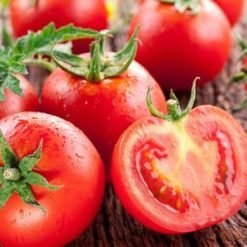
Tomato Farming

Tomato Farming

Tomato Farming

Tomato Farming

Tomato Farming




Reviews
There are no reviews yet.