


Disease-resistant Sukuma Wiki Plants Kenya
Features of Disease-resistant Sukuma Wiki Plants
Resilient Varieties Tailored for Kenya
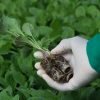
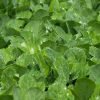
Disease-resistant Sukuma Wiki plants are specifically bred to withstand common diseases such as black rot, leaf spot, and powdery mildew. These varieties are ideal for Kenyan farmers facing recurring challenges from these issues.
High-yield Potential
These plants not only resist diseases but also produce higher yields. They are designed to grow vigorously, offering abundant harvests compared to traditional varieties. This ensures farmers get the most out of their efforts.
Adaptability to Kenyan Soils and Climate
Kenya’s diverse climatic regions, from the highlands to semi-arid areas, require adaptable crops. Disease-resistant Sukuma Wiki plants thrive across different soil types and climatic conditions, making them suitable for widespread cultivation.
Disease-resistant Sukuma Wiki Plants Kenya
Sukuma Wiki, commonly referred to as collard greens, is a staple vegetable in Kenya. It provides essential nutrients, is easy to grow, and serves as a vital source of income for small-scale and commercial farmers.
However, challenges such as pests and diseases have hindered optimal production. Disease-resistant Sukuma Wiki plants offer a revolutionary solution to these challenges, ensuring healthy crops, better yields, and increased profitability for Kenyan farmers.
This comprehensive guide explores everything you need to know about these resilient plants and how they can transform your farming experience.
Features of Disease-resistant Sukuma Wiki Plants
Resilient Varieties Tailored for Kenya
Disease-resistant Sukuma Wiki plants are specifically bred to withstand common diseases such as black rot, leaf spot, and powdery mildew. These varieties are ideal for Kenyan farmers facing recurring challenges from these issues.
High-yield Potential
These plants not only resist diseases but also produce higher yields. They are designed to grow vigorously, offering abundant harvests compared to traditional varieties. This ensures farmers get the most out of their efforts.
Adaptability to Kenyan Soils and Climate
Kenya’s diverse climatic regions, from the highlands to semi-arid areas, require adaptable crops. Disease-resistant Sukuma Wiki plants thrive across different soil types and climatic conditions, making them suitable for widespread cultivation.
Advantages of Disease-resistant Sukuma Wiki Plants
Reduced Dependency on Pesticides
By investing in disease-resistant plants, farmers significantly reduce the need for chemical pesticides. This lowers production costs and minimizes environmental pollution, promoting sustainable farming practices.
Improved Crop Health and Longevity
These plants maintain their health throughout their growth cycle, reducing the risk of stunted growth and premature death. This results in longer-lasting crops that deliver consistent harvests.
Higher Profitability
Disease-resistant Sukuma Wiki plants help farmers save on costs while increasing yields. With healthier crops that fetch better prices in the market, farmers can achieve higher profitability.
Common Diseases Affecting Sukuma Wiki in Kenya
Black Rot
Black rot is a bacterial disease that causes yellowing and wilting of leaves. It spreads rapidly, particularly in warm and wet conditions.
Powdery Mildew
This fungal disease forms a white powdery coating on leaves, reducing photosynthesis and weakening the plant.
Leaf Spot
Leaf spot, caused by fungi or bacteria, creates dark spots on leaves, leading to defoliation and reduced yields.
Disease-resistant Sukuma Wiki plants are specifically designed to combat these challenges, ensuring healthy and productive crops.
Why Choose Disease-resistant Sukuma Wiki Plants in Kenya?
Promoting Sustainable Farming Practices
These plants align with the global push for sustainable agriculture. By reducing reliance on chemicals, they help farmers adopt eco-friendly practices.
Proven Success Among Kenyan Farmers
Many farmers across Kenya have already experienced the benefits of disease-resistant Sukuma Wiki plants. Testimonials highlight improved yields, healthier crops, and reduced farming costs.
Competitive Edge in Local Markets
With disease-resistant varieties, farmers can produce high-quality Sukuma Wiki that stands out in the market, ensuring better prices and customer satisfaction.
How to Plant and Care for Disease-resistant Sukuma Wiki
Step-by-step Planting Guide
Land Preparation: Ensure the soil is well-tilled and free from weeds.
Spacing: Maintain a spacing of 30-50 cm between plants to allow proper air circulation.
Planting Depth: Plant seedlings at a depth of 1-2 cm to promote healthy root development.
Best Practices for Care
Watering: Regular watering is essential, especially during the dry season.
Fertilization: Use organic compost or recommended fertilizers to boost plant growth.
Weeding: Keep the field weed-free to minimize competition for nutrients.
Organic Farming Tips
Incorporate organic manure and natural pest control methods to enhance soil health and maintain a chemical-free harvest.
Ideal Growing Conditions in Kenya
Soil Requirements
Disease-resistant Sukuma Wiki thrives in well-drained, fertile soils with a pH of 6.0 to 6.5. Soil testing is recommended to determine nutrient levels and pH.
Climatic Conditions
These plants grow best in temperatures ranging from 18°C to 25°C. They can tolerate slight variations, making them suitable for most Kenyan regions.
Irrigation Needs
While Sukuma Wiki is drought-tolerant, consistent watering ensures optimal growth. Drip irrigation systems are ideal for maintaining adequate moisture levels.
Market Opportunities for Kenyan Farmers
Local Demand
Sukuma Wiki is a household favorite in Kenya, ensuring a steady local market. Restaurants, schools, and households frequently purchase fresh supplies.
Export Potential
With the rising global demand for African vegetables, Sukuma Wiki offers export opportunities, especially to regions with Kenyan diasporas.
Value Addition
Farmers can explore value-added products like dried Sukuma Wiki, packaged fresh greens, or Sukuma Wiki-based powders to enhance profitability.
Pricing and Availability of Disease-resistant Sukuma Wiki Plants
Cost-effective Options
Disease-resistant Sukuma Wiki plants are available at affordable prices, ensuring accessibility for farmers. Prices typically range based on seedling maturity and quantity purchased.
Discounts for Bulk Purchases
Farmers buying in bulk can enjoy significant discounts, making it easier to invest in large-scale farming.
Seasonal Availability
Seedlings are available year-round, with higher demand during Kenya’s planting seasons. Pre-ordering ensures timely access.
How Disease-resistant Varieties Improve Food Security
Reliable Harvests
With resistance to common diseases, farmers can consistently achieve successful harvests, contributing to Kenya’s food security.
Supporting Sustainable Agriculture
These plants encourage sustainable practices, reducing the environmental footprint of farming activities.
Enhancing Nutrition
As a nutrient-rich vegetable, Sukuma Wiki plays a crucial role in combating malnutrition in Kenya.
Packaging and Delivery Options in Kenya
Secure Packaging
Seedlings are carefully packaged to prevent damage during transit. Special packaging materials ensure plants remain healthy upon delivery.
Delivery Timelines
Delivery services are efficient, with most orders fulfilled within 3-5 days across Kenya.
Guarantee on Plant Health
Suppliers offer guarantees on seedling health, with replacements provided for any damaged plants.
Sustainability and Environmental Benefits
Reducing Pesticide Use
Disease-resistant Sukuma Wiki significantly reduces the need for pesticides, promoting eco-friendly farming.
Enhancing Soil Health
Organic practices encouraged with these plants improve soil fertility and long-term productivity.
Positive Environmental Impact
By adopting disease-resistant plants, farmers contribute to reducing agricultural pollution and conserving biodiversity.
Customer Support and Farmer Training
Expert Advice
Farmers receive guidance on crop management, from planting to harvesting, ensuring optimal results.
On-ground Training
Workshops and field demonstrations provide hands-on training for farmers.
Digital Resources
Farmers can access online guides, video tutorials, and helplines for ongoing support.
Call to Action
Don’t let pests and diseases hinder your farming success! Invest in disease-resistant Sukuma Wiki plants Kenya today and enjoy healthier crops, higher yields, and greater profits. Contact us now to place your order and take advantage of special discounts for early buyers. Transform your farm with these innovative plants and secure your success!
Be the first to review “Disease-resistant Sukuma Wiki Plants Kenya”
Related products

Sukuma Wiki Farming

Sukuma Wiki Farming

Sukuma Wiki Farming

Sukuma Wiki Farming

Sukuma Wiki Farming

Sukuma Wiki Farming
Sukuma Wiki Farming

Sukuma Wiki Farming




Reviews
There are no reviews yet.