


How to Choose the Right Tomato Seedling Supplier


KSh 4.00
Factors to Consider When Choosing a Tomato Seedling Supplier
Quality Assurance Practices
A reputable tomato seedling supplier should have strict quality control measures in place. High-quality seedlings should be uniform, free from pests and diseases, and exhibit strong root systems.
Ensure the supplier follows good agricultural practices (GAP) and nursery management protocols.
Availability of Certified Disease-Free Seedlings
Tomatoes are susceptible to various diseases, including bacterial wilt, fusarium wilt, and viral infections. It is essential to source seedlings from suppliers who guarantee disease-free plants through certification and proper disease management practices.
Supplier Reputation and Experience
Research the supplier’s track record in the agricultural industry. Check for testimonials, farmer reviews, and references from agricultural experts. Established suppliers with years of experience are more likely to provide consistent and high-quality seedlings.
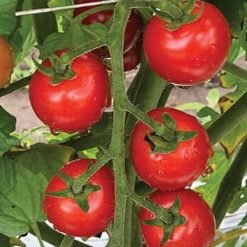
Tomato: Commando (4Ksh)
How to Choose the Right Tomato Seedling Supplier
Why Choosing the Right Tomato Seedling Supplier Matters
Selecting the right tomato seedling supplier is crucial for ensuring high yields, disease resistance, and overall crop success.
A reliable supplier provides quality seedlings that are healthy, well-nourished, and ready for transplanting, ultimately reducing risks associated with poor germination and crop failure.
Factors to Consider When Choosing a Tomato Seedling Supplier
Quality Assurance Practices
A reputable tomato seedling supplier should have strict quality control measures in place. High-quality seedlings should be uniform, free from pests and diseases, and exhibit strong root systems.
Ensure the supplier follows good agricultural practices (GAP) and nursery management protocols.
Availability of Certified Disease-Free Seedlings
Tomatoes are susceptible to various diseases, including bacterial wilt, fusarium wilt, and viral infections. It is essential to source seedlings from suppliers who guarantee disease-free plants through certification and proper disease management practices.
Supplier Reputation and Experience
Research the supplier’s track record in the agricultural industry. Check for testimonials, farmer reviews, and references from agricultural experts. Established suppliers with years of experience are more likely to provide consistent and high-quality seedlings.
Types of Tomato Seedlings Available
Hybrid vs. Open-Pollinated Varieties
Hybrid tomato seedlings offer higher yields, disease resistance, and better uniformity, making them ideal for commercial production. Open-pollinated varieties are often preferred for their ability to be replanted in subsequent seasons.
Determinate vs. Indeterminate Varieties
Determinate Tomato Seedlings: These grow to a fixed height and produce fruit over a short period, making them ideal for small-scale and mechanized farming.
Indeterminate Tomato Seedlings: These continue growing and producing fruit throughout the season, requiring staking and continuous care.
Seedlings for Greenhouse vs. Open-Field Farming
Different tomato varieties are suited for greenhouse cultivation or open-field farming. A knowledgeable supplier should recommend varieties based on climate conditions and intended farming methods.
Evaluating the Supplier’s Reputation and Credibility
Checking Online Reviews and Farmer Testimonials
Read customer reviews on websites, social media, and agricultural forums. Positive feedback from other farmers is a good indicator of a trustworthy supplier.
Verifying Supplier Certifications and Affiliations
Look for government-approved certifications and affiliations with agricultural bodies. Certified suppliers follow best practices in seedling production.
Seeking Referrals from Agricultural Experts
Consult agricultural extension officers and experienced farmers for recommendations on the best tomato seedling suppliers in your region.
Disease Resistance and Quality of Tomato Seedlings
Importance of Disease-Free Seedlings
Purchasing disease-free seedlings minimizes the risk of early crop failure and reduces the need for excessive pesticide use, ultimately cutting production costs.
Common Tomato Seedling Diseases to Watch Out For
Fusarium Wilt: Causes yellowing and wilting of leaves.
Bacterial Wilt: Leads to sudden wilting and plant death.
Early Blight and Late Blight: Fungal infections that affect leaves and fruit development.
How Suppliers Ensure Disease Prevention and Control
Reputable suppliers implement disease control measures such as crop rotation, soil sterilization, and use of disease-resistant seeds.
Pricing and Cost Considerations
Comparing Prices from Different Suppliers
Prices vary based on variety, quality, and supplier reputation. Comparing costs from multiple sources helps in getting value for money.
Evaluating Cost vs. Quality Trade-Offs
Low-cost seedlings may result in poor yields. Investing in high-quality seedlings ensures better crop performance and profitability.
Understanding Bulk Purchase Discounts
Some suppliers offer discounts for bulk orders, making it cost-effective for large-scale farmers.
Location and Delivery Options
Proximity of the Supplier to Your Farm
Choosing a supplier close to your farm reduces transportation costs and ensures seedlings arrive in good condition.
Availability of Delivery Services
Check if the supplier offers delivery services and ensure they use safe transportation methods to prevent seedling damage.
Transportation Costs and Logistics
Factor in logistics costs when budgeting for seedling purchases. Some suppliers include transport services at an additional fee.
Seedling Growth Stage and Transplant Readiness
Best Age and Size of Tomato Seedlings for Transplanting
Ideal tomato seedlings for transplanting should be 4–6 weeks old with well-developed root systems and sturdy stems.
How to Identify Healthy and Ready-to-Plant Seedlings
Look for uniform, green leaves and avoid seedlings with yellowing, spots, or signs of stress.
Importance of Uniformity in Seedling Growth
Uniform seedlings ensure even growth and easier crop management, leading to higher yields.
Customer Support and Advisory Services
Availability of Agronomic Support and Guidance
A good supplier provides technical support on transplanting, soil preparation, and disease management.
Training on Seedling Handling and Transplanting
Some suppliers offer training sessions on best practices for seedling care to maximize crop success.
Post-Purchase Support and Follow-Up Services
Reliable suppliers provide after-sales support, checking on the progress of seedlings after delivery.
Bulk Orders and Supply Consistency
How to Ensure a Consistent Supply of Seedlings
Work with suppliers who can meet your planting schedule and ensure a steady supply of seedlings.
Dealing with Shortages and Unexpected Delays
Have backup suppliers or stagger planting to mitigate risks of supply shortages.
Seasonal Planning for Continuous Tomato Production
Plan purchases based on seasonality to ensure uninterrupted production.
Organic and Chemical-Free Tomato Seedlings
Importance of Organically Grown Seedlings
Organic seedlings reduce chemical residue in food and support sustainable farming practices.
Checking for Pesticide-Free Certification
Ensure suppliers provide certification for chemical-free seedlings to meet organic farming standards.
Benefits of Organic Tomato Farming
Organic farming enhances soil health, improves crop resilience, and attracts premium prices in the market.
Contract Farming and Partnership Opportunities
Understanding Contract Agreements with Suppliers
Some suppliers offer contracts guaranteeing seedling supply throughout the farming season.
Benefits of Long-Term Partnerships with Seedling Suppliers
Long-term agreements ensure consistent quality and pricing stability.
Risks and Precautions When Signing Contracts
Read contract terms carefully to avoid hidden costs and unfavorable conditions.
Comparing Local vs. Imported Tomato Seedlings
Advantages and Disadvantages of Imported Seedlings
Imported seedlings may offer better genetics but can be expensive and less adaptable to local conditions.
How Local Suppliers Ensure Adaptability to Kenyan Conditions
Local suppliers select varieties best suited for Kenya’s climate and soil.
Cost Implications of Local vs. Imported Seedlings
Local seedlings are generally more affordable and readily available compared to imported ones.
Conclusion and Final Checklist for Choosing a Supplier
Recap of Key Factors to Consider
Ensure quality, disease resistance, reputation, and cost-effectiveness when selecting a supplier.
Final Checklist Before Purchasing Tomato Seedlings
Verify supplier reputation.
Check for disease-free certification.
Compare pricing and delivery options.
Ensure customer support availability.
Expert Recommendations for Selecting the Best Supplier
Consult agricultural experts and experienced farmers to make an informed decision for a successful tomato farming venture.
Be the first to review “How to Choose the Right Tomato Seedling Supplier”
Related products

Tomato Farming

Tomato Farming

Tomato Farming

Tomato Farming

Tomato Farming

Tomato Farming
Tomato Farming
Tomato Farming




Reviews
There are no reviews yet.