


How to Harden Off Tomato Seedlings


KSh 5.00
What Is Hardening Off Tomato Seedlings?
Hardening off refers to the gradual process of acclimatizing tomato seedlings, which have been grown indoors or in a greenhouse, to outdoor conditions.
Seedlings that are not properly hardened off can suffer from shock, wilting, or damage when exposed to direct sunlight, fluctuating temperatures, and harsh environmental factors.
Hardening off helps your tomato plants build strength and resilience, ensuring that they adapt well to their new environment.
Why Is Hardening Off Crucial for Tomato Seedlings?
Without proper hardening off, tomato seedlings can become stressed by sudden exposure to sunlight, wind, and cooler outdoor temperatures. These plants are often accustomed to a controlled indoor environment, and if the transition is too abrupt, they may not survive.
The main benefits of hardening off tomato seedlings include:
Improved plant health: Gradually increasing exposure to outdoor conditions allows seedlings to adjust slowly and avoid stress, resulting in stronger, healthier plants.
Stronger root systems: Exposure to natural elements encourages the development of deeper, more established root systems, improving your plant’s stability.
Better growth and productivity: Seedlings that are successfully hardened off will likely grow faster and produce more fruit compared to those that are not properly acclimatized.
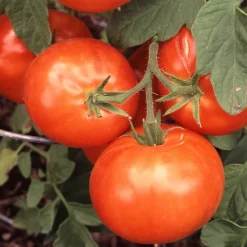
Tomato: Big Rock (Ksh 5)
How to Harden Off Tomato Seedlings
A Complete Guide for a Successful Transition
Growing tomato seedlings is an exciting and rewarding experience, but one of the most crucial steps in transplanting them to your garden is the process of hardening off.
Properly hardening off tomato seedlings ensures they thrive when exposed to the harsher conditions of the outdoor environment.
This comprehensive guide will walk you through the hardening off process and provide you with all the essential information to guarantee healthy, resilient tomato plants.
What Is Hardening Off Tomato Seedlings?
Hardening off refers to the gradual process of acclimatizing tomato seedlings, which have been grown indoors or in a greenhouse, to outdoor conditions.
Seedlings that are not properly hardened off can suffer from shock, wilting, or damage when exposed to direct sunlight, fluctuating temperatures, and harsh environmental factors.
Hardening off helps your tomato plants build strength and resilience, ensuring that they adapt well to their new environment.
Why Is Hardening Off Crucial for Tomato Seedlings?
Without proper hardening off, tomato seedlings can become stressed by sudden exposure to sunlight, wind, and cooler outdoor temperatures. These plants are often accustomed to a controlled indoor environment, and if the transition is too abrupt, they may not survive.
The main benefits of hardening off tomato seedlings include:
Improved plant health: Gradually increasing exposure to outdoor conditions allows seedlings to adjust slowly and avoid stress, resulting in stronger, healthier plants.
Stronger root systems: Exposure to natural elements encourages the development of deeper, more established root systems, improving your plant’s stability.
Better growth and productivity: Seedlings that are successfully hardened off will likely grow faster and produce more fruit compared to those that are not properly acclimatized.
When to Start Hardening Off Tomato Seedlings
Timing is key when it comes to hardening off your tomato seedlings. Start the process around 7-10 days before you plan to transplant them into your garden.
The ideal time to begin hardening off is after the last frost date has passed, and when daytime temperatures consistently reach above 60°F (15°C).
It’s important to ensure that your seedlings are well-established before they begin the hardening off process. Tomato seedlings should be at least 4 to 6 weeks old and have grown strong stems and leaves before they are ready for the transition.
Step-by-Step Process for Hardening Off Tomato Seedlings
The hardening off process can be broken down into a series of steps that you will follow over the course of 7-10 days. Here’s a day-by-day breakdown of how to harden off your tomato seedlings:
Days 1-2: Gradual Introduction to Indirect Sunlight
Start by placing your seedlings outside in a shaded location for 2-3 hours per day. This allows them to begin acclimating to the outdoor light without being exposed to the harsh rays of the sun. Make sure to choose a spot that is protected from strong wind and direct sunlight.
Days 3-4: Increase Sunlight Exposure
After the initial 2-3 days, gradually move the seedlings into an area that receives direct sunlight for 2-4 hours each day. Gradually increase the amount of time the seedlings are exposed to the sun during these days.
If the weather is particularly sunny or hot, make sure to keep them in a location with some shade during the hottest part of the day.
Days 5-7: Extend Outdoor Time
As the seedlings continue to adapt, extend the amount of time they are outside. By now, the plants should be able to tolerate longer exposure to both sunlight and wind.
Gradually increase the time spent outside, up to 6-8 hours per day. Keep an eye on your seedlings and watch for signs of stress, such as wilting or discolored leaves.
Days 8-10: Full Exposure and Hardening Off Complete
By the final days of hardening off, the seedlings should be able to handle full sun, wind, and temperature fluctuations. At this point, they are ready to be transplanted into your garden.
Best Conditions for Hardening Off Tomato Seedlings
The conditions in which you harden off your tomato seedlings play a major role in their successful adaptation to the outdoors. Here’s what to keep in mind:
Temperature Range
Tomato seedlings should be hardened off when daytime temperatures are consistently above 60°F (15°C). Avoid exposing your seedlings to temperatures below 50°F (10°C), as cold temperatures can stunt growth and cause damage.
Sunlight Exposure
Tomato plants thrive in full sunlight (at least 6 hours per day), but it’s important to gradually introduce them to direct sunlight. Exposure to intense sunlight too quickly can burn the seedlings and slow their growth.
Wind Protection
Wind can be harsh for young seedlings, so it’s essential to shield them from strong gusts during the hardening off process. A sheltered spot, like next to a building or fence, can help reduce wind stress. Alternatively, consider using a windbreak to protect your plants during their transition.
Common Mistakes to Avoid When Hardening Off Tomato Seedlings
While the hardening off process is simple, there are some common mistakes to avoid:
Exposing Seedlings to Direct Sunlight Too Quickly
Gradually increase exposure to sunlight. Don’t put your seedlings directly into full sun on the first day, as this can cause sunburn and stunt their growth.
Leaving Seedlings Outdoors During Cold Nights
Always bring your seedlings inside at night during the hardening off period. Cold temperatures, especially during the night, can damage tender tomato plants.
Skipping the Process
Skipping the hardening off process can shock your plants and reduce their chances of survival. Never transplant seedlings directly into your garden without hardening them off.
How to Protect Seedlings from Extreme Weather During Hardening Off
Sometimes, the weather can be unpredictable, and hardening off your seedlings may coincide with a cold snap, heavy rain, or strong winds. Here’s how to protect them:
Cold Snaps: If temperatures drop unexpectedly, move seedlings to a protected area, such as a greenhouse, cold frame, or inside your house for the night.
Heavy Rain: If heavy rain is expected, bring your seedlings inside or cover them with row covers or plastic sheeting to shield them from the rain.
Strong Winds: Use a windbreak or place seedlings near a fence or building to provide protection from gusty winds.
How Long Should the Hardening Off Process Take?
The ideal time for hardening off tomato seedlings is 7-10 days, although this can vary depending on your specific weather conditions. Always monitor your plants carefully. If the weather turns unfavorable or if you notice signs of stress, take your seedlings inside and try again the next day.
Signs That Tomato Seedlings Are Ready for Transplanting
After 7-10 days of hardening off, your tomato seedlings should be ready for transplanting into your garden. Look for the following signs to determine readiness:
Stronger stems: The seedlings should have sturdy, thick stems that can support their weight.
Fuller leaves: The leaves should appear lush and green, indicating that the seedlings are strong and healthy.
Root development: Check if the roots are beginning to fill the bottom of the pots or if they are visible through drainage holes.
How to Speed Up the Hardening Off Process
In some cases, you may need to accelerate the hardening off process due to a short growing season or delayed planting. You can speed up the process by using a portable greenhouse or windbreaks to shelter seedlings from harsh conditions while still exposing them to natural light.
Conclusion and Final Tips for Successfully Hardening Off Tomato Seedlings
Hardening off tomato seedlings is a critical step in ensuring a smooth transition from indoor growing to the garden. By following a gradual, step-by-step approach, you can help your seedlings develop into strong, healthy plants that will thrive in their new outdoor environment.
Remember to monitor the weather conditions closely, protect your seedlings from extreme weather, and avoid common mistakes to ensure the best possible outcome for your tomato plants.
With the right care and attention, your tomato seedlings will be well on their way to becoming healthy, productive plants ready for a bountiful harvest.
Be the first to review “How to Harden Off Tomato Seedlings”
Related products

Tomato Farming
Tomato Farming

Tomato Farming

Tomato Farming

Tomato Farming

Tomato Farming

Tomato Farming

Tomato Farming




Reviews
There are no reviews yet.