


Common Tomato Seedling Pests and Their Solutions


KSh 4.00
Understanding Common Tomato Seedling Pests
Why Early Pest Control is Crucial
Early pest detection and control are essential for maintaining healthy tomato seedlings. Pests can weaken young plants, making them more vulnerable to diseases and environmental stressors.
Implementing integrated pest management (IPM) strategies can help keep infestations at bay while promoting sustainable gardening practices.
How to Identify Tomato Seedling Pests
Each pest leaves behind unique signs of damage. Being able to recognize the symptoms early can help prevent severe infestations. Here, we discuss the most common tomato seedling pests and their solutions in detail.
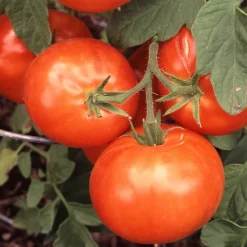
Tomato: Raja (4Ksh)
Common Tomato Seedling Pests and Their Solutions
Tomatoes are one of the most popular crops for home gardeners and commercial growers alike. However, tomato seedlings are highly susceptible to pest infestations, which can stunt growth, reduce yields, and even kill plants if not managed properly.
In this guide, we will explore the common tomato seedling pests and their solutions, ensuring your plants remain healthy and productive.
Understanding Common Tomato Seedling Pests
Why Early Pest Control is Crucial
Early pest detection and control are essential for maintaining healthy tomato seedlings. Pests can weaken young plants, making them more vulnerable to diseases and environmental stressors.
Implementing integrated pest management (IPM) strategies can help keep infestations at bay while promoting sustainable gardening practices.
How to Identify Tomato Seedling Pests
Each pest leaves behind unique signs of damage. Being able to recognize the symptoms early can help prevent severe infestations. Here, we discuss the most common tomato seedling pests and their solutions in detail.
Common Tomato Seedling Pests and Their Solutions
Aphids: Tiny but Destructive
Signs of Aphid Infestation
Clusters of small, soft-bodied insects on leaves and stems
Yellowing, curling, or distorted leaves
Sticky honeydew residue, leading to sooty mold growth
Natural and Chemical Control Methods
Natural solutions: Introduce beneficial insects such as ladybugs and lacewings
Organic methods: Spray neem oil or insecticidal soap
Chemical solutions: Use pyrethrin-based insecticides if the infestation is severe
Cutworms: Silent Seedling Killers
How to Detect Cutworm Damage
Seedlings cut at the base, appearing as if they have been chopped down
Holes in leaves and stems
Presence of curled-up caterpillars in the soil near affected plants
Preventive and Control Measures
Barrier methods: Place collars made from cardboard or plastic around seedlings
Biological control: Introduce nematodes to target cutworm larvae
Chemical control: Apply Bacillus thuringiensis (Bt) to kill caterpillars
Flea Beetles: Tiny Pests with Big Impact
Symptoms of Flea Beetle Attacks
Small holes or shotholes in leaves
Slow plant growth due to stress
Wilting or stunted seedlings
Effective Deterrents and Treatments
Floating row covers: Protect young plants
Companion planting: Grow basil, marigold, or radishes to repel beetles
Organic sprays: Apply diatomaceous earth or neem oil
Whiteflies: Persistent and Hard to Eradicate
Recognizing Whitefly Infestations
Tiny white insects flying when plants are disturbed
Yellowing leaves and honeydew residue
Wilting and reduced plant vigor
Best Control Practices
Sticky traps: Use yellow sticky traps to capture whiteflies
Natural predators: Release beneficial insects like parasitic wasps
Neem oil spray: Disrupts the whitefly life cycle
Spider Mites: The Invisible Threat
Damage Symptoms and Early Detection
Fine webbing under leaves
Yellow speckling or stippling on leaves
Leaves drying out and falling off
Biological and Chemical Control Options
Water spray: Regularly hose down plants to dislodge mites
Predatory mites: Introduce Phytoseiulus persimilis, a natural enemy of spider mites
Insecticidal soap: Use for severe infestations
Thrips: Tiny Pests with a Big Appetite
Effects on Tomato Seedlings
Distorted and curled leaves
Silvery or bronzed appearance on foliage
Transmission of plant viruses
Solutions for Thrip Management
Reflective mulch: Deters thrips from landing on plants
Beneficial insects: Encourage populations of ladybugs and predatory thrips
Organic sprays: Use spinosad-based products
Organic and Natural Pest Control Methods
Companion Planting for Pest Prevention
Basil and marigold: Repel aphids and whiteflies
Radishes and nasturtiums: Deter flea beetles
Garlic and onions: Keep thrips and spider mites away
Homemade Organic Sprays
Neem oil: Disrupts pest reproduction and feeding
Garlic-pepper spray: Repels a wide range of pests
Soap and water solution: Kills soft-bodied insects like aphids and whiteflies
Chemical Pest Control Solutions
Safe Pesticide Options for Tomato Seedlings
When organic methods fail, consider these safe chemical treatments:
Pyrethrin-based insecticides: Effective against aphids, whiteflies, and flea beetles
Spinosad sprays: Target thrips and caterpillars
Bacillus thuringiensis (Bt): Controls cutworms and other caterpillars
Guidelines for Responsible Application
Always follow label instructions
Apply in the early morning or late evening to protect beneficial insects
Avoid overuse to prevent pesticide resistance
Integrated Pest Management (IPM) Strategies
Combining cultural, biological, and chemical methods creates a sustainable pest control approach. Key elements include:
Regular monitoring for pests
Using beneficial insects and companion planting
Applying targeted treatments only when necessary
Prevention and Early Detection Tips
Inspect seedlings daily for signs of pests
Maintain proper spacing for good air circulation
Keep weeds and debris away from seedlings to reduce hiding spots for pests
Common Mistakes to Avoid in Pest Control
Over-reliance on chemical pesticides
Ignoring early warning signs of infestation
Not implementing crop rotation, leading to recurring pest problems
Recommended Products and Solutions
For effective pest control, consider these best-selling organic and chemical solutions:
Neem oil sprays (for organic control)
Yellow sticky traps (to monitor and control flying pests)
Pyrethrin-based insecticides (for severe infestations)
Bacillus thuringiensis (Bt) (for caterpillar control)
Beneficial insects like ladybugs and lacewings
Conclusion
Managing common tomato seedling pests and their solutions is crucial for a thriving garden. By combining organic, chemical, and preventive measures, you can ensure your seedlings grow into strong, productive plants. Implement these strategies today for healthier tomatoes and a more successful harvest!
Be the first to review “Common Tomato Seedling Pests and Their Solutions”
Related products

Tomato Farming

Tomato Farming

Tomato Farming

Tomato Farming
Tomato Farming
Tomato Farming

Tomato Farming

Tomato Farming




Reviews
There are no reviews yet.