


Tomato Seedling Profitability Analysis Kenya


KSh 5.00
Market Demand for Tomato Seedlings in Kenya
Trends in the Kenyan Tomato Market
Kenya has a high demand for tomatoes throughout the year. The tomato supply chain starts with quality tomato seedlings, making the nursery business highly lucrative. The increasing adoption of greenhouse farming has further fueled the demand for hybrid tomato varieties.
Seasonal Demand Fluctuations
Tomato seedling demand varies depending on the planting season. Most farmers plant during the rainy seasons (March-May and October-December), but greenhouse farmers require seedlings year-round. Understanding these fluctuations can help nursery owners plan their production cycles effectively.
Tomato: Nova (5Ksh)
Tomato Seedling Profitability Analysis Kenya
Introduction to Tomato Seedling Farming in Kenya
Tomato farming is one of the most profitable agribusiness ventures in Kenya. However, before farmers plant tomatoes, they require high-quality tomato seedlings to ensure a high germination rate and disease resistance.
Understanding the profitability of tomato seedling farming in Kenya is essential for agripreneurs looking to invest in this growing sector. This analysis provides an in-depth look at costs, revenue, market demand, and strategies for maximizing profits.
Market Demand for Tomato Seedlings in Kenya
Trends in the Kenyan Tomato Market
Kenya has a high demand for tomatoes throughout the year. The tomato supply chain starts with quality tomato seedlings, making the nursery business highly lucrative. The increasing adoption of greenhouse farming has further fueled the demand for hybrid tomato varieties.
Seasonal Demand Fluctuations
Tomato seedling demand varies depending on the planting season. Most farmers plant during the rainy seasons (March-May and October-December), but greenhouse farmers require seedlings year-round. Understanding these fluctuations can help nursery owners plan their production cycles effectively.
Cost of Tomato Seedling Production
Breakdown of Production Costs
Setting up a tomato seedling nursery involves various costs, including:
Seeds – High-quality hybrid seeds cost between Ksh 3,000-5,000 per 100g.
Soil Preparation – Costs depend on whether the nursery is in open fields or trays.
Labor – Skilled labor is needed for sowing, transplanting, and management.
Water and Irrigation – Essential for maintaining optimal growth conditions.
Fertilizers and Pesticides – Protect seedlings from diseases and pests.
Comparing Costs for Greenhouse vs. Open-Field Seedling Production
Greenhouse seedling production ensures faster growth and better disease control but requires higher initial investment.
Open-field nurseries have lower setup costs but are more prone to pest infestations and environmental factors.
Revenue Generation from Tomato Seedlings
Potential Selling Price Per Seedling
Hybrid tomato seedlings: Ksh 10-30 per seedling.
Local varieties: Ksh 5-15 per seedling.
Grafted seedlings: Ksh 30-50 per seedling.
Projected Income Based on Different Scales of Production
A nursery producing 10,000 seedlings at Ksh 15 per seedling earns Ksh 150,000.
A large-scale nursery producing 50,000 seedlings at Ksh 20 per seedling earns Ksh 1,000,000.
Profit Margins in Tomato Seedling Business
Gross Profit vs. Net Profit Calculations
Profit margins depend on production costs and selling prices. For instance:
Cost per seedling (including labor, water, fertilizers): Ksh 5-10.
Selling price per seedling: Ksh 15-30.
Profit per seedling: Ksh 10-20.
Factors That Influence Profitability
Seed variety and quality.
Efficient nursery management.
Effective pest and disease control.
Proper marketing strategies.
Best Tomato Seed Varieties for Maximum Profitability
High-Yielding and Disease-Resistant Tomato Varieties
Anna F1 – High yields and disease resistance.
Rio Grande – Preferred for open-field farming.
Tylka F1 – Resistant to bacterial wilt.
Preferred Varieties in the Kenyan Market
Farmers prefer varieties that offer high yields, long shelf life, and resistance to common tomato diseases.
Investment and Startup Costs for Tomato Seedling Business
Initial Capital Requirements
Low-budget nurseries: Ksh 20,000-50,000.
Medium-scale nurseries: Ksh 100,000-500,000.
Large-scale nurseries: Over Ksh 1,000,000.
Budgeting for Nursery Setup and Maintenance
Greenhouse structure (if applicable)
Seedling trays and soil amendments
Irrigation systems
Pest control measures
Soil Preparation and Seedling Management for High Returns
Best Soil Preparation Techniques
Use well-draining loamy soil with compost.
Maintain proper pH levels (6.0-6.8).
Sterilize soil to eliminate pests and diseases.
Proper Seedling Care to Ensure High Germination Rates
Maintain optimal temperature and moisture.
Provide adequate nutrients for strong root development.
Use organic pest control methods where possible.
Marketing Strategies for Tomato Seedlings in Kenya
Target Customers
Smallholder farmers
Greenhouse farmers
Agrovet suppliers
Cooperatives and agribusiness groups
Effective Selling Platforms
Local markets and agricultural fairs
Social media marketing (Facebook, WhatsApp, Instagram)
Agrovet stores and farm supply shops
Challenges in Tomato Seedling Farming and Solutions
Common Risks
Pests and diseases (fungal infections, nematodes)
Unpredictable weather conditions
Market price fluctuations
Strategies to Mitigate Losses and Improve Yields
Use disease-resistant hybrid seeds.
Implement integrated pest management (IPM).
Diversify markets to avoid dependency on one sales channel.
Government Support and Grants for Agribusiness in Kenya
Available Funding Options for Small-Scale Farmers
Agriculture Finance Corporation (AFC) Loans
Youth and Women Agribusiness Grants
County government funding programs
Government Policies Supporting Tomato Seedling Farming
Subsidized farm inputs for smallholder farmers.
Extension services for improved agronomic practices.
Scaling Up Tomato Seedling Business for Higher Profits
Expansion Strategies
Increasing production capacity by investing in greenhouse seedling nurseries.
Partnering with large-scale farmers to supply seedlings.
Value Addition Opportunities
Grafted tomato seedlings for increased disease resistance.
Organic certification to attract premium pricing.
Comparative Analysis: Traditional vs. Modern Tomato Seedling Production
Traditional Nurseries vs. Greenhouse Seedling Production
Traditional nurseries are cheaper but less efficient.
Greenhouse seedling production ensures higher survival rates.
Cost-Benefit Analysis of Both Methods
Greenhouse requires higher initial investment but yields higher profits.
Traditional nurseries have lower costs but higher losses due to weather and pests.
Future Prospects and Sustainability in Tomato Seedling Business
Trends in Sustainable Tomato Seedling Farming
Adoption of organic farming methods.
Use of biodegradable seedling trays.
Long-Term Growth Opportunities in Agribusiness
Increased government investment in agribusiness.
Expansion into export markets for hybrid tomato seedlings.
Conclusion
Tomato seedling farming in Kenya is a highly profitable agribusiness with significant growth potential. By understanding market demand, cost analysis, marketing strategies, and risk management, farmers and agripreneurs can maximize their earnings.
Whether operating a small-scale nursery or a commercial seedling farm, following best practices ensures higher yields, better profits, and business sustainability in the long run.
Be the first to review “Tomato Seedling Profitability Analysis Kenya”
Related products

Tomato Farming

Tomato Farming

Tomato Farming

Tomato Farming
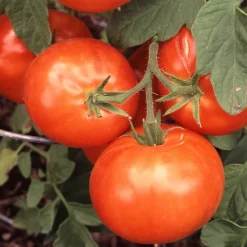
Tomato Farming

Tomato Farming

Tomato Farming

Tomato Farming




Reviews
There are no reviews yet.