Cabbage
9 Costly Cabbage Farming Mistakes You Must Avoid for Higher Yields
Apr
Introduction
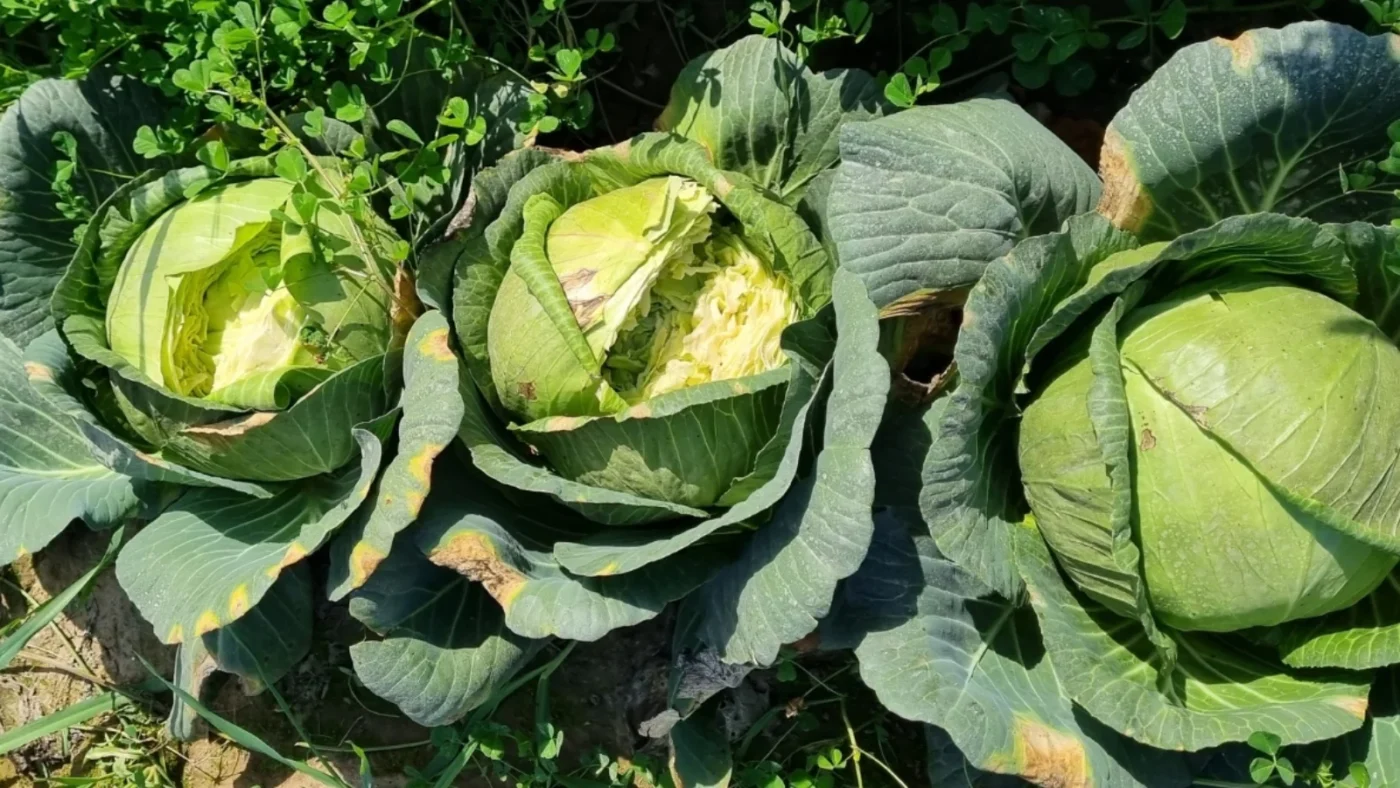
Cabbage is a hardy and profitable crop when grown under the right conditions. It thrives in cool climates, fertile soil with a pH of 6.0–7.0, and consistent moisture. However, many farmers lose potential income due to avoidable cabbage farming mistakes.
Common issues include poor soil preparation, wrong variety selection, incorrect cabbage spacing, inconsistent irrigation, improper fertilization, weak pest and disease management, lack of crop rotation, poor weed control, and careless harvesting practices. These mistakes lead to small heads, reduced yields, and increased vulnerability to diseases like clubroot and black rot, as well as pests such as aphids and caterpillars.
This guide explains each mistake, why it matters, and how to fix it using proven cabbage cultivation tips. You’ll also find practical tables, monitoring strategies, and an easy-to-follow checklist.
Cabbage Soil Preparation and pH Management: The Foundation of Success
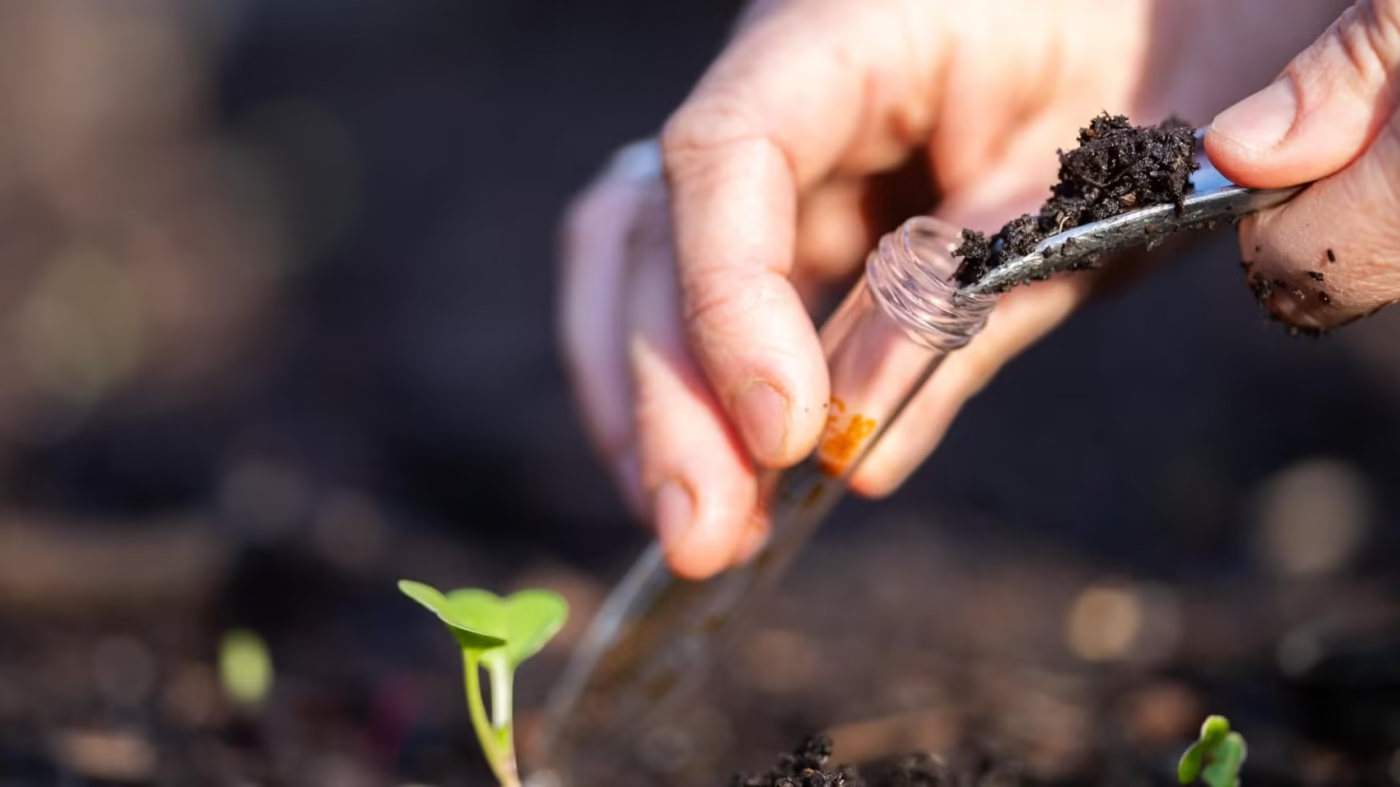
Mistake: Skipping soil testing and planting in poorly prepared soil.
Why it matters:
Cabbage has shallow roots, making it sensitive to poor drainage and low fertility. Acidic soil (below pH 6.0) reduces nutrient availability and increases the risk of clubroot disease.
Best Practices:
- Conduct a soil test before planting
- Maintain pH between 6.0 and 6.8 (ideal: 6.5)
- Add compost or well-rotted manure (avoid fresh manure)
- Use raised beds for better drainage
- Apply fertilizers based on soil test results
Monitoring Tip: Check soil moisture 4–6 inches deep. Avoid waterlogged conditions.
Variety Selection and Timing: Choose the Right Cabbage
Mistake: Selecting unsuitable or non-resistant varieties.
Why it matters:
Wrong varieties may bolt in heat, split easily, or fail due to disease susceptibility.
Best Practices:
- Choose climate-adapted, disease-resistant varieties
- Plant both early and late varieties to spread harvest
- Use certified seeds or healthy transplants
- Match variety traits with market demand
Cabbage Spacing and Planting Density: Maximize Yield Efficiently
Mistake: Overcrowding or excessive spacing.
Why it matters:
Crowded plants produce smaller heads and increase disease risk, while wide spacing wastes land.
Recommended Spacing:
| Variety Type | Plant Spacing | Row Spacing | Head Size |
|---|---|---|---|
| Small/Early | 12–15 inches | 24–30 inches | 1–3 lb |
| Medium | 15–18 inches | 30–36 inches | 3–5 lb |
| Large/Late | 18–24 inches | 30–36 inches | 6–9 lb |
Best Practices:
- Transplant at ½–1 inch depth
- Align rows north–south
- Thin seedlings early
Cabbage Irrigation: Consistency is Key
Mistake: Irregular watering or overwatering.
Why it matters:
Inconsistent moisture leads to splitting, poor head formation, or bolting.
Best Practices:
- Provide 1–1.5 inches of water weekly
- Use drip irrigation
- Water in the morning
- Apply mulch to retain moisture
Monitoring Tip: Check soil dryness regularly at root level.
Cabbage Fertilization: Balanced Nutrition for Healthy Growth
Mistake: Overusing nitrogen or guessing fertilizer needs.
Why it matters:
Too little nitrogen results in small heads, while excess nitrogen causes splitting.
Best Practices:
- Base fertilization on soil test results
- Apply 100–150 lb/acre nitrogen in split doses
- Side-dress during early and mid-growth stages
Nutrient Guide:
| Soil Level | P₂O₅ | K₂O |
|---|---|---|
| Low | 200 | 200 |
| Medium | 100 | 100 |
| High | 50 | 50 |
| Very High | 0 | 0 |
Cabbage Pests and Diseases Management: Smart IPM Approach
Mistake: Reacting too late or overusing chemicals.
Why it matters:
Unchecked pests and diseases can destroy entire crops quickly.
Best Practices:
- Rotate crops for 3–5 years
- Use resistant varieties
- Install row covers early
- Scout weekly
- Apply treatments only when needed
Crop Rotation for Brassicas: Break Disease Cycles
Avoid planting cabbage or related crops in the same field repeatedly.
Best Rotation Options:
- Legumes
- Maize (corn)
- Onions
A proper rotation cycle improves soil health and reduces disease pressure.
Vegetable Weed Control: Protect Your Yield
Weeds compete for nutrients, water, and sunlight.
Best Practices:
- Use mulch
- Weed early and regularly
- Remove wild brassicas (they host diseases)
Harvesting and Post-Harvest Handling: Preserve Quality
Best Practices:
- Harvest when heads are firm
- Use a sharp knife
- Remove loose leaves
- Store at 32–40°F (0–4°C)
- Maintain 90–95% humidity
Proper storage keeps cabbage fresh for up to 3 months.
Actionable Checklist: Prevent Cabbage Farming Mistakes
- Test and prepare soil (pH ~6.5)
- Use disease-resistant varieties
- Follow correct cabbage spacing
- Maintain consistent irrigation
- Apply balanced fertilization
- Practice crop rotation
- Control weeds early
- Harvest and store properly
FREQUENTLY ASKED QUESTIONS
Test pH and nutrients. Target 6.0–6.8. Lime acidic soil and add compost for fertility.
1 inch per week, evenly. Use drip irrigation early morning and mulch.
12–15 inches for small heads, 15–18 inches for medium/large (rows 30–36 inches). Proper cabbage spacing prevents disease and maximizes yield.
Aphids, loopers, worms, flea beetles, and maggots. Use row covers, Bt for caterpillars, rotation, and beneficial insects.
Cool (32–41°F), high humidity, unwashed in perforated bags. Keeps 2–3 months.Save this guide, print the checklist, and start implementing these cabbage cultivation tips today. Higher yields and fewer losses mean more money in your pocket. Share this article with fellow farmers, bookmark it for next season, and watch your cabbage profits grow! If you grow cabbage commercially or in your home garden, drop your biggest challenge in the comments—I’ll help you troubleshoot.