Herbs
Jade Plant Care in Kenya: How to Grow the Lucky Money Plant
May
The jade plant is one of the easiest and most rewarding houseplants you can own, and at GrowPact Kenya we are asked about it almost every week. Known across the world as the “money plant,” this hardy little succulent is believed to attract wealth, good fortune, and positive energy, which is exactly why it shows up in homes, offices, and shopfronts everywhere. In this guide we explain what the jade plant is, why people call it the money maker, and how to care for it so it stays glossy, healthy, and thriving in Kenya’s climate.
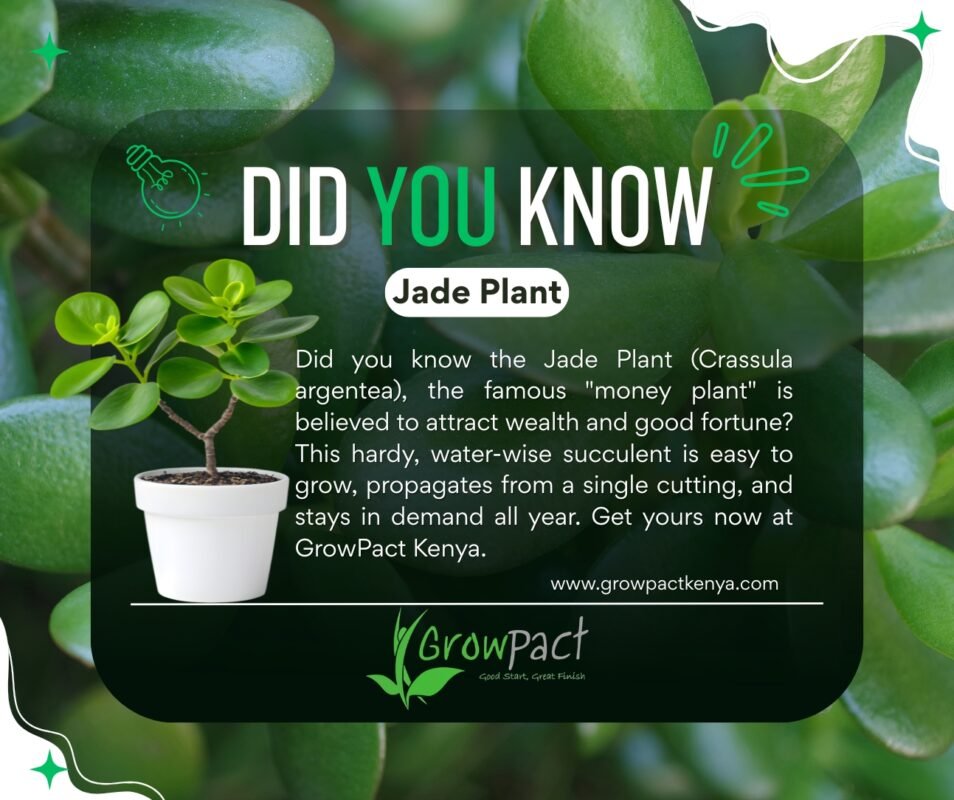
Image 1: A healthy jade plant (money plant) with thick green leaves in a terracotta pot.
What Is the Jade Plant?
The jade plant, known botanically as Crassula ovata, is an evergreen succulent native to South Africa. It grows thick, fleshy, oval leaves on woody stems, and over the years it develops into a miniature tree shape that looks beautiful on a desk, a balcony, or a sunny windowsill. Mature plants sometimes produce clusters of small star-shaped white or pink flowers, a lovely bonus on an already attractive plant.
Because it stores water inside its leaves, the jade plant tolerates neglect far better than most houseplants. That toughness makes it perfect for beginners, busy professionals, and anyone who tends to forget the watering can. According to the Royal Horticultural Society, it is one of the most reliable and easy-to-grow succulents available.
Why the Jade Plant Is Called the Money Plant
The nickname comes from the shape of its leaves. The rounded, coin-like foliage reminded people of jade coins, and over time the plant became a symbol of prosperity. In feng shui tradition, the jade plant is a popular gift for new homes and new businesses because it is thought to invite financial growth and steady good luck.
Whether or not you believe in the symbolism, the plant is genuinely a great value. It lives for decades, multiplies easily from a single leaf, and asks for very little in return. In that sense, it really is a money maker: one plant can become dozens of gift-ready plants over time.
Jade Plant Care: How to Grow It in Kenya
Kenya’s warm days and cool nights suit the jade plant beautifully. In most parts of the country you can grow it indoors near a bright window, or outdoors in a pot on a patio. The keys to success are light, careful watering, and well-draining soil.
Light
Give your jade plant plenty of bright light. A spot that receives three to four hours of direct morning sun is ideal, with some shade during the harsh midday heat. Too little light makes the stems stretch and weaken, while scorching afternoon sun can burn the leaves. A windowsill facing east works very well in Kenyan homes.
Watering
Overwatering is the number one killer of jade plants. Because the leaves store water, the plant only needs a drink when the soil has dried out completely. Water deeply, let the excess drain away, and then wait until the top few centimetres of soil are dry before watering again. During the cooler, wetter months you will water far less often, so always check the soil first.
Soil and Potting
The jade plant needs fast-draining soil so its roots never sit in water. A simple succulent mix of garden soil, coarse sand, and a little compost works well, and the pot must have drainage holes at the bottom. Repot only every few years, ideally at the start of a warm, dry spell when the plant is actively growing.
Temperature and Feeding
The jade plant is happiest in warm conditions and dislikes frost, which is rarely a problem in most Kenyan regions. Feed it lightly with a balanced liquid fertiliser once a month during the active growing season, and stop feeding during the cooler dormant period. Following these simple steps, as recommended by the University of Wisconsin Horticulture Extension, keeps the foliage thick, glossy, and healthy.
How to Propagate a Jade Plant
One of the best things about the jade plant is how easily it multiplies, which is why it earns its money maker reputation. To propagate it, simply break off a healthy leaf or a short stem cutting and let the cut end dry for a day or two. Then place it on top of dry succulent soil, mist lightly every few days, and within a few weeks roots will appear. Before long you will have a brand-new jade plant, perfect for gifting or for filling your garden with more greenery.
This easy propagation is exactly how nurseries like ours build healthy stock. If you would like to learn more about our methods, our tissue culture and propagation work shows how we raise strong, uniform plants for farmers and home gardeners across Kenya.
Common Problems and Pests
The jade plant is tough, but a few issues are worth watching for. Soft, yellowing leaves usually signal overwatering, so cut back and let the soil dry. Wrinkled, shrivelled leaves point to thirst, so give it a good drink. Leggy, stretched growth means it needs more light. Mealybugs occasionally appear as small white cottony spots, and they can be wiped away with a cotton bud dipped in a little soapy water or alcohol. Catch these problems early and your jade plant will bounce back quickly.
Is the Jade Plant Safe for Pets?
It is worth noting that the jade plant is mildly toxic to cats and dogs if they chew the leaves, and it can cause stomach upset. Keep it out of reach of curious pets and small children, and place it on a shelf or high surface if needed. For people, it is a low-risk, low-maintenance houseplant.
Where to Buy a Jade Plant in Kenya
If you are ready to bring this lucky money plant into your home or office, GrowPact Kenya has you covered. We propagate healthy, well-rooted ornamental plants alongside our wide range of fruit, vegetable, and tree seedlings. Browse our seedlings and plants for sale to see what is available, or learn more about who we are and our mission to help everything you plant grow well.
A jade plant makes a thoughtful, long-lasting gift and a beautiful addition to any space. Visit our nurseries in Kitale or get in touch with our team to order yours today.
Frequently Asked Questions
Is the jade plant the same as the money plant? Yes. The jade plant (Crassula ovata) is commonly called the money plant or lucky plant because its coin-shaped leaves are associated with prosperity and good fortune.
How often should I water a jade plant? Only when the soil has dried out completely. In practice this is often once every one to two weeks, and even less during cool or rainy periods. Always check the soil before watering.
Does the jade plant grow well in Kenya? Yes. Kenya’s warm, sunny climate suits the jade plant very well. It thrives both indoors near a bright window and outdoors in a well-drained pot.
How long does a jade plant live? With good care, a jade plant can live for many decades and even be passed down through generations, which is part of its charm as a lasting symbol of prosperity.