Fruits
Strong Seedlings, Strong Harvest: A Kenyan Farmer’s Guide
May
If you are buying vegetable seedlings in Kenya, the choice you make in the nursery matters more than almost anything you do later in the field. Every season, two farmers in the same region plant the same crop, in similar soil, with the same rainfall. One harvests strong, even produce and sells at a premium. Meanwhile, the other fights stunted plants, uneven maturity, and poor yields all season long.
Usually, the difference is not the soil, the fertilizer, or even the weather. Instead, it comes down to a choice made weeks earlier — the day the farmer picked the seedlings.
So this guide shows you exactly what separates a seedling that builds a profitable harvest from one that quietly drains it.
Why Vegetable Seedlings in Kenya Decide Your Harvest
A vegetable seedling is not just a small plant. Rather, it is the foundation your entire crop stands on. A weak seedling never fully recovers — instead, it carries that weakness through transplanting, flowering, and fruiting, no matter how well you manage the rest of the season.
Field experience across Kenyan farms shows the same pattern again and again: poor transplants can cost 20% to 40% of your potential yield before the crop even establishes. You cannot fertilize your way out of a bad start. You can only avoid it in the first place.
Strong seedlings give you three things that directly shape your income:
- Uniformity — plants mature together, so you harvest and sell in steady, marketable volumes
- Vigour — strong roots help the plant resist transplant shock, drought stress, and early disease
- Timing — healthy seedlings reach the field on schedule, so you can target the right market window
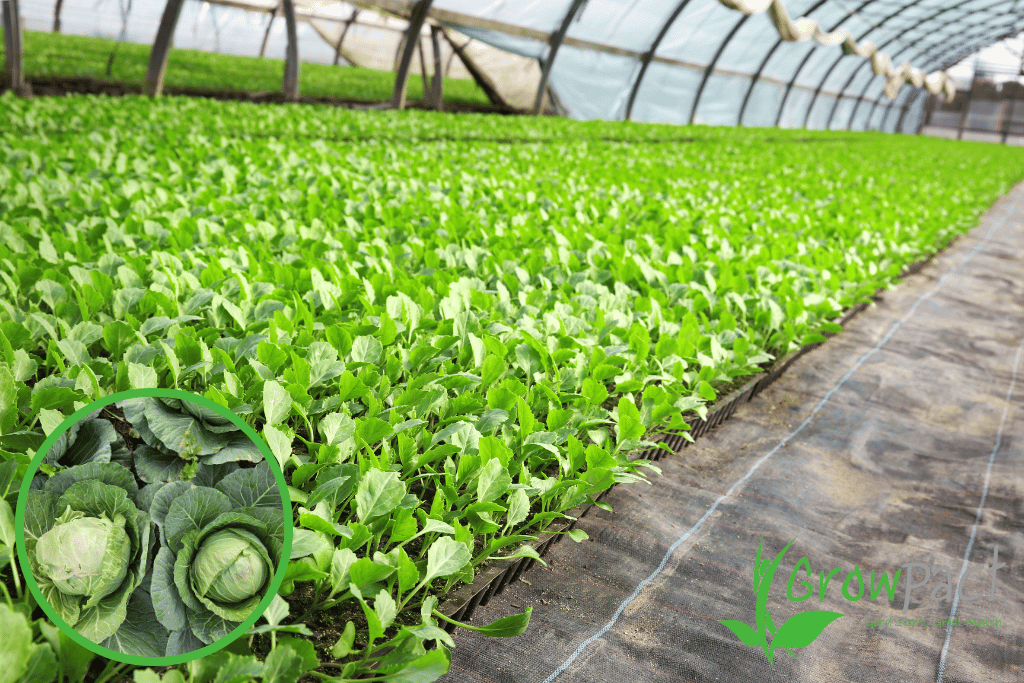
That last point is where many farmers lose money without realising it. Therefore, let us look at the single biggest cause of seedling losses in Kenya.
The Hidden Killer: Overgrown Seedlings
Most farmers worry about weak or diseased seedlings. However, far fewer understand the danger of seedlings that have grown too long in the tray.
An overgrown seedling has waited too long for transplanting. As a result, its roots begin to circle and bind, its stem grows leggy, and it suffers severe shock when it finally reaches the field. Tomato seedlings face the highest risk — an overgrown tomato transplant can set fruit poorly for the entire season.
This is why when you get your seedlings matters as much as where you get them. A perfectly grown seedling collected two weeks late is no longer a perfectly grown seedling. Consequently, the most reliable nurseries grow to a booking schedule, so each batch matches a collection date instead of ageing on a bench.
How to Spot Healthy Vegetable Seedlings in Kenya
Whether you collect from a nursery or check a delivery, use this checklist before you accept any seedlings.
1. The Stem
First, look for a stem that is sturdy and well-proportioned — not thin, stretched, and pale. A “leggy” seedling that has stretched toward light is weak, and it will struggle after transplanting.
2. The Leaves
Next, check the colour. Healthy seedlings show deep, even green leaves. Yellow lower leaves can point to a nitrogen shortage, too much water, or simple old age. Likewise, spots, curling, or a sticky residue can signal disease or pests — so walk away from these.
3. The Roots
This is the test most farmers skip, yet it matters most. Gently slide one seedling out of its cell. The roots should look white and well-formed, and they should hold the growing medium together — not form a brown, circling, root-bound mass. After all, the root system is the engine of the plant.
4. Uniformity Across the Tray
A good batch looks consistent. If half the tray looks strong and half looks weak, you will get uneven maturity in the field. That becomes a serious problem when you need to harvest and sell in commercial volumes.
5. Signs of Hardening Off
Finally, the nursery should slowly acclimatise seedlings to outdoor conditions before transplanting. If a farmer moves seedlings straight from a protected environment into an open field, the crop can lose a large share of plants in the very first week.
Buying Vegetable Seedlings vs. Growing Your Own Nursery
Many Kenyan farmers raise their own nurseries, and for some that works well. Still, it helps to look honestly at the real cost of doing it yourself:
- Time and attention — a nursery needs daily care for weeks, often during your busiest season
- Disease risk — damping-off and other nursery diseases can wipe out a home nursery with little warning
- Variety access — established nurseries can source quality hybrid seed and proven varieties at scale
- Uniformity — professional media, controlled conditions, and experience produce steadier transplants
For commercial farmers especially, the real question is not “can I grow my own?” Instead, it is “where does my time earn more — in the nursery, or in the field and the market?” For most, buying strong vegetable seedlings in Kenya from a trusted source is the higher-return choice. The Kenya Agricultural and Livestock Research Organization (KALRO) and the Ministry of Agriculture both stress healthy, certified planting material as the foundation of crop productivity.
Choosing the Right Variety for Your Market
The best seedling of the wrong variety is still the wrong seedling. So before you book, think backwards from the market rather than forwards from the seed:
- Who buys from you? Local markets, institutions, processors, and export aggregators all want different things
- What earns a premium? Size, colour, shelf life, or maturity timing
- When do you want to harvest? Pick varieties whose days-to-maturity land your crop in a strong price window, not a glut
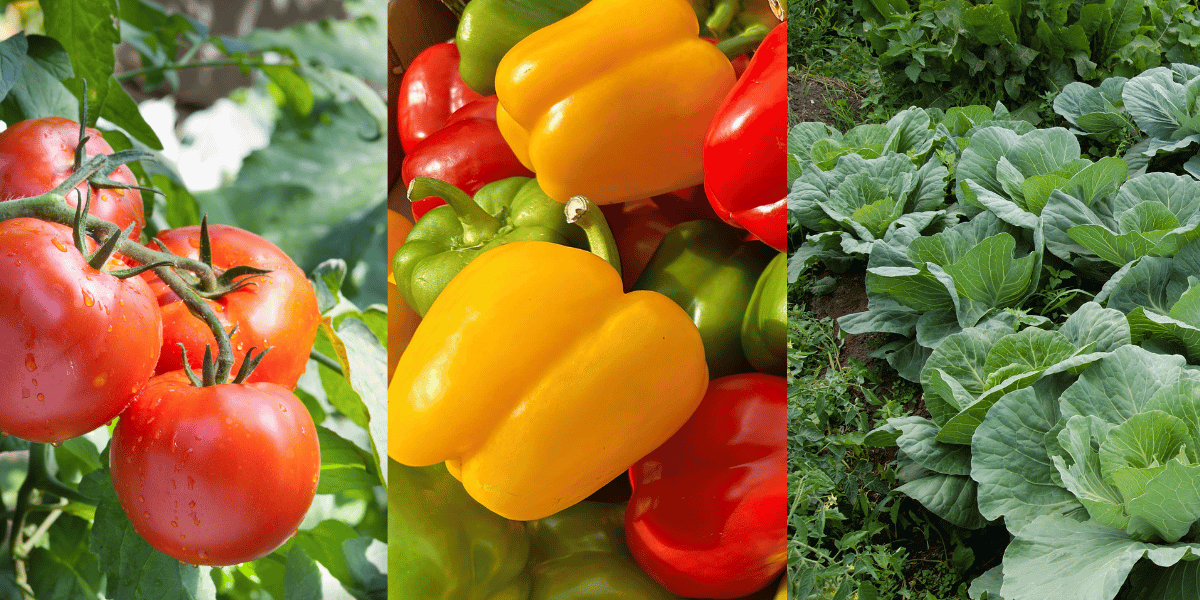
A good nursery will not simply sell you seedlings. Rather, it will help you match the variety to your market and your calendar. For example, strong performers in Kenyan vegetable farming include hybrid tomatoes such as Ansal and Anna, cabbages like Gloria Star and Pretoria, capsicum varieties such as Annabel and Indra, plus reliable sukuma and onion lines. Even so, the right choice always depends on your specific buyer and season.
Why Booking Your Vegetable Seedlings in Advance Pays Off
Here is something experienced farmers know that newer ones often learn the hard way: a nursery cannot produce seedlings on demand. They take weeks to grow from seed to a transplant-ready plant.
So when you walk into a nursery and expect to buy seedlings the same day, one of three things happens. You take whatever variety is left, you accept seedlings of the wrong age for your timeline, or you go home empty-handed and lose part of your planting window.
Booking ahead solves all three problems at once. When you reserve your seedlings early:
- The nursery sows your specific variety for you
- Your seedlings grow to be ready on your collection date, instead of ageing on a shelf
- You get a firm timeline, so you can plan your land preparation around it
- You never compete for leftovers at the last minute
In short, booking is not an inconvenience. On the contrary, it is how serious farmers make sure they get the right variety, at the right age, at the right time.
Frequently Asked Questions About Vegetable Seedlings in Kenya
How long does it take to grow vegetable seedlings? Most common vegetable seedlings take about four to six weeks from sowing to transplant-ready, depending on the crop and conditions. This is exactly why booking ahead matters, because a nursery cannot produce them instantly on the day you need them.
How many seedlings do I need per acre? This depends on the crop and your spacing. Therefore, a good nursery will help you work out the right quantity for your land size and chosen variety, so you neither over-order nor fall short.
Is it cheaper to grow my own nursery? On paper it can look cheaper. However, once you add up your time, the disease risk, and the cost of a weak or failed nursery during your busiest season, professionally grown seedlings often turn out to be the more profitable choice.
What is the most common seedling mistake Kenyan farmers make? Accepting overgrown seedlings. A seedling that has waited too long in the tray suffers severe transplant shock and underperforms all season. Worse still, good field management cannot reverse the damage.
Can I get seedlings delivered? Many established nurseries do offer delivery, especially for bulk orders. To be safe, confirm this when you book so transport fits around your collection date.
The Bottom Line
You do not win your harvest at flowering or at fruiting. Instead, you win it — or quietly lose it — in the nursery, weeks before you plant. Strong, even, correctly-aged vegetable seedlings of the right variety remain the single highest-return decision a Kenyan farmer makes all season.
So choose your source with care. Inspect what you accept. Above all, book ahead, so the nursery grows your seedlings for you instead of selling you leftovers.
Ready to secure strong vegetable seedlings for your next crop?
GrowPact grows vegetable seedlings in Kenya to order — sown for your collection date, strong, even, and guaranteed for delivery once we confirm your booking. We supply tomato, cabbage, capsicum, sukuma, onion and more.
Book by phone or WhatsApp, or reserve online in two minutes. Plan early, and harvest well.