Fruits
Cabbage Seedlings in Kenya: How to Choose, Grow and Profit From Them
May
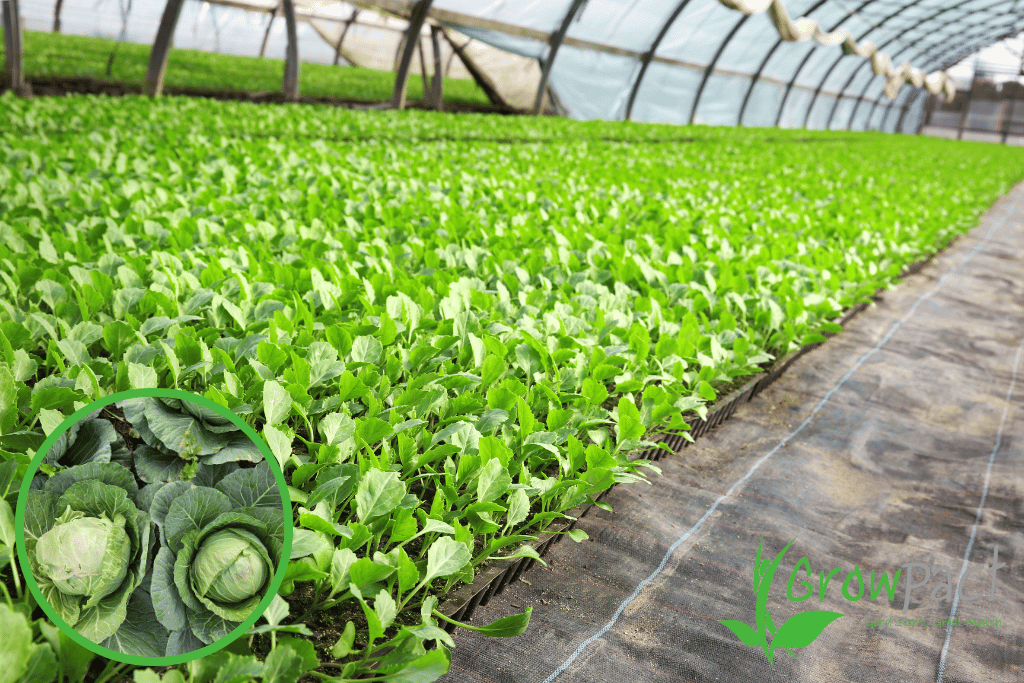
If you are looking for healthy cabbage seedlings in Kenya, what you choose at the nursery decides the rest of your season. A strong seedling becomes a 5-kilogram head. A weak one becomes a stunted plant that costs you the same in land, water and fertilizer but earns you half the income. The difference is set before you transplant.
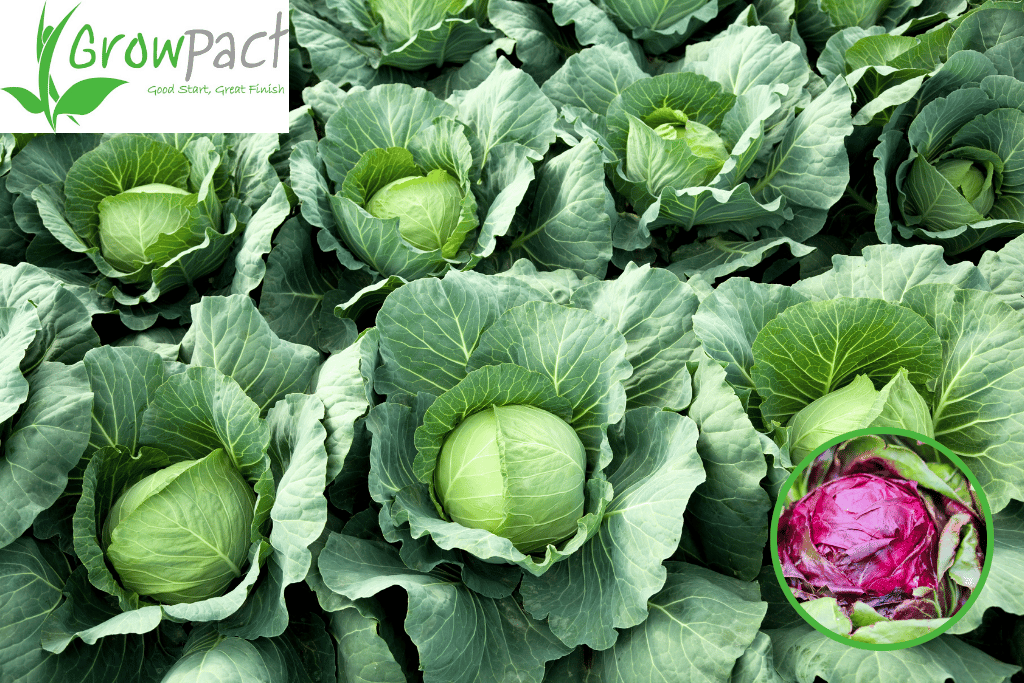
This guide walks you through everything that matters when buying cabbage seedlings in Kenya — the hybrid varieties that work in Kenyan conditions, how to spot a strong transplant, the spacing and timing that protect your yield, and the market planning that turns a good crop into a profitable one.
Why Cabbage Is Still a Reliable Crop for Kenyan Farmers
Cabbage remains one of the most dependable cash crops in Kenya. Local markets, schools, hospitals, and institutions all consume it year-round, so demand rarely collapses. The crop stores and transports well after harvest, so you have room to wait for a better price instead of selling at distress rates. Hybrid varieties now mature in 70 to 90 days from transplant, meaning you can fit two to three crops into a year on the same land.
But cabbage is also unforgiving. Uneven seedlings give uneven heads. Late transplanting collides with disease pressure. Wrong variety for your altitude wastes the entire season. Most cabbage farmers in Kenya who struggle are not unlucky — they made a choice weeks earlier in the nursery that they could not undo.
The Best Cabbage Varieties Grown in Kenya
Several proven hybrid varieties perform well across most Kenyan growing zones. The right one for your farm depends on your altitude, target head size, and the market you sell to. Here are the varieties most Kenyan farmers ask for by name.
Gloria F1 is the workhorse hybrid for many farmers. It produces dense, uniform round heads of three to five kilograms, holds well in the field before harvest, and shows good tolerance to black rot and Fusarium yellows. It matures in roughly 75 to 85 days from transplant. If you are a first-time cabbage grower, this is the safest variety to start with.
Pretoria F1 suits farmers targeting larger heads for institutional buyers and wholesalers. Heads can reach four to six kilograms under good management. It is reliable, vigorous, and stores well.
Jumbo Star is exactly what the name suggests — a large-headed variety that performs strongly in highland conditions. Farmers who plant Jumbo Star usually have good market access for bigger produce, since not every market pays a premium for size.
Powerslam F1 is becoming popular for its uniformity and field-holding ability. It is a good choice when you want to harvest the whole field together rather than picking over several weeks.
Queen, Victoria, and Red Riva round out the strong commercial varieties. Red Riva specifically produces red-purple heads that fetch premium prices in salad and hospitality markets — worth considering if you can reach those buyers.
A reliable nursery will not just sell you a variety. It will ask about your altitude, soil, market, and harvest timing, and recommend accordingly. That conversation matters more than the brand name on the seed packet.
When to Plant Cabbage Seedlings in Kenya
Cabbage prefers cool to mild temperatures, ideally between 15 and 20 degrees Celsius. This means most of Kenya’s highland regions — Kitale, Eldoret, Nakuru, Limuru, Meru, parts of Central — grow cabbage successfully almost year-round. Lower altitudes need more careful timing and irrigation.
The single most important planning rule is this: work backwards from when you want to harvest, not forwards from when you have free time. If the market pays best in December, count back 70 to 90 days to find your transplant date, then count back another 30 days to find your sowing date. Booking your seedlings to be ready on that transplant date is what keeps you on schedule.
Rainfed cabbage typically aligns with the long rains (March to May transplant for mid-year harvest) or the short rains (October to November transplant for January to February harvest). Irrigated farms have more flexibility, but the cool-season principle still applies — extreme heat causes bolting and reduces head quality.
How to Identify Healthy Cabbage Seedlings
Whether you are collecting from a nursery or inspecting a delivery, run through this checklist before you accept any cabbage seedlings. The five-minute inspection saves entire seasons.
Look at the stem. It should be sturdy and proportional to the plant, not thin or stretched. A pale, leggy stem means the seedling reached for light it did not get and will struggle after transplanting.
Check the leaves. Healthy cabbage seedlings show deep, even green colour. Yellow lower leaves point to nitrogen shortage, overwatering, or simple old age. Holes, sticky residue, or curled edges are signs of pest damage or disease — walk away.
Inspect the roots. This is the test most farmers skip and the one that matters most. Gently slide a sample seedling out of its cell. The roots should be white, well-formed, and holding the growing medium together. A brown, circling root mass means the seedling is overgrown and pot-bound — it will suffer severe transplant shock no matter how well you prepare the land.
Demand uniformity. Look across the whole tray. If half the seedlings are vigorous and half are stunted, you will get uneven maturity in the field — a serious problem when you are trying to harvest a single market-ready batch. A good batch looks like one batch.
Confirm hardening off. Seedlings should have been gradually exposed to outdoor conditions for several days before you transplant. Seedlings taken straight from a sheltered nursery to an open field can lose 20 to 30 percent in the first week.
Spacing and Plant Population for Cabbage
Most commercial cabbage varieties in Kenya use spacing of 60 centimetres between rows and 45 centimetres between plants within the row. At this spacing, an acre holds approximately 15,000 cabbage seedlings. Some farmers go slightly denser (60 by 40) for higher yield with smaller heads, or wider (60 by 50) for fewer but larger heads — adjust based on the market you sell to.
Here is what that means for different farm sizes when ordering your seedlings:
| Land size | Approximate seedlings needed |
|---|---|
| Quarter acre | 3,750 |
| Half acre | 7,500 |
| One acre | 15,000 |
| Two acres | 30,000 |
Order around 5 to 10 percent more than your strict calculation to allow for failed transplants. A nursery cannot magically produce extras on the day you discover gaps in your field.
The Hidden Killer: Overgrown Seedlings
Most cabbage growers worry about weak or diseased seedlings. Far fewer understand the danger of seedlings that have grown too long in the tray. An overgrown cabbage seedling has waited weeks past its transplant window. Its roots are pot-bound, its stem is hardened, and it suffers severe shock when finally transplanted. It will form a smaller head, mature later than its neighbours, and may never recover.
This is why when you collect your seedlings matters as much as where you get them. A perfectly grown seedling collected two weeks late is no longer a perfectly grown seedling. The most reliable nurseries grow to a booking schedule, so each batch is sown for a specific collection date rather than being grown speculatively and left to age on a bench. If you cannot book your collection date with a nursery, you are at the mercy of whatever happens to be ready when you walk in.
Common Cabbage Problems and How Strong Seedlings Help
Many cabbage problems start in the nursery, not the field. Here are the issues experienced Kenyan farmers watch for.
Black rot is the most damaging cabbage disease in Kenya. Hybrid varieties like Gloria F1 carry partial tolerance, but no variety is immune. Good seedlings start clean; field rotation away from other brassicas like kale and broccoli keeps it that way.
Diamondback moth and aphids attack from the seedling stage onwards. A vigorous, well-fed seedling resists pest pressure far better than a stressed one. Scout your nursery deliveries for any sign of leaf damage before accepting them.
Head splitting happens when cabbage takes up water unevenly, especially after dry weather followed by heavy rain. Consistent irrigation prevents it. Strong seedlings with deep root systems handle moisture swings better than shallow-rooted, struggling transplants.
Bolting occurs when temperature extremes trigger early flowering instead of head formation. Choose varieties suited to your altitude, transplant at the right time, and avoid stressed seedlings.
Planning Your Market Before You Plant
Strong seedlings of the wrong variety are still the wrong seedlings. Before you book cabbage seedlings in Kenya, think backwards from the market, not forwards from the seed.
Ask yourself: who buys from you, and what do they pay a premium for? Local open-air markets typically want medium heads (3 to 4 kilograms) that move quickly at retail. Institutions and wholesalers prefer uniform, larger heads (4 to 5 kilograms) delivered in volume. Hospitality and salad markets pay top prices for red cabbage varieties like Red Riva and for premium uniformity. Match your variety to your buyer, not the other way around.
Also think about timing. The cabbage price in Kenyan markets is famously volatile — when everyone harvests at once, prices collapse. The farmer who matures three weeks before or three weeks after the glut earns dramatically more on the same yield. Booking your seedlings ahead is what lets you target that off-peak window deliberately.
Why Booking Cabbage Seedlings in Advance Pays Off
Cabbage seedlings cannot be produced on demand. They take roughly 30 to 35 days in the nursery before they are transplant-ready. If you walk into a nursery expecting to buy seedlings the same day, one of three things happens. You take whatever variety is left over. You accept seedlings that are the wrong age for your timeline. Or you go home empty-handed and miss your planting window.
Booking your cabbage seedlings ahead solves all three problems. The nursery sows your specific variety for you. Your seedlings are grown to be ready on your transplant date — not aged on a shelf. You get a confirmed timeline you can plan land preparation around. And you are never competing for leftovers at the last minute.
This is how serious cabbage growers operate, and it is how the best yields in Kenya are produced.
Frequently Asked Questions
How long do cabbage seedlings take to grow in the nursery? Cabbage seedlings typically need 30 to 35 days from sowing to transplant-ready. This is exactly why booking ahead matters — a nursery cannot produce them instantly on the day you need them.
How many cabbage seedlings do I need per acre? At standard spacing of 60 by 45 centimetres, one acre holds approximately 15,000 cabbage seedlings. Order 5 to 10 percent more to account for transplant losses.
What is the best cabbage variety to grow in Kenya? For most farmers, Gloria F1 is the safest starting choice — uniform heads, good disease tolerance, reliable performance across altitudes. Pretoria and Jumbo Star suit farmers targeting larger heads. Red Riva fits niche premium markets.
Can I grow my own cabbage nursery? You can, but for commercial farmers the time, disease risk, and uniformity challenges often make professional nursery seedlings the more profitable choice. Your time is usually worth more in the field and the market than in the nursery.
When is the best time to transplant cabbage in Kenya? Time your transplant so the crop matures into a strong market window, not into a glut. For highland rainfed farms, March to May transplant catches the long-rains crop, and October to November catches the short-rains crop. Irrigated farms have more flexibility.
The Bottom Line
Your cabbage harvest is decided in the nursery, weeks before transplanting. Strong, uniform, correctly-aged hybrid seedlings of a variety matched to your market are the single highest-return decision a Kenyan cabbage grower makes all season. Choose your nursery carefully, inspect what you accept, and book ahead so your seedlings are grown for you, not sold to you as leftovers.
Ready to plant cabbage that actually performs?
GrowPact propagates strong, hybrid cabbage seedlings in Kenya — sown to order for your transplant date, hardened off, and guaranteed for delivery once your booking is confirmed. Gloria F1, Pretoria, Jumbo Star, Powerslam F1, Queen, Victoria, Red Riva and more.
Book by phone or WhatsApp, or reserve online in two minutes. Plant strong. Harvest well.